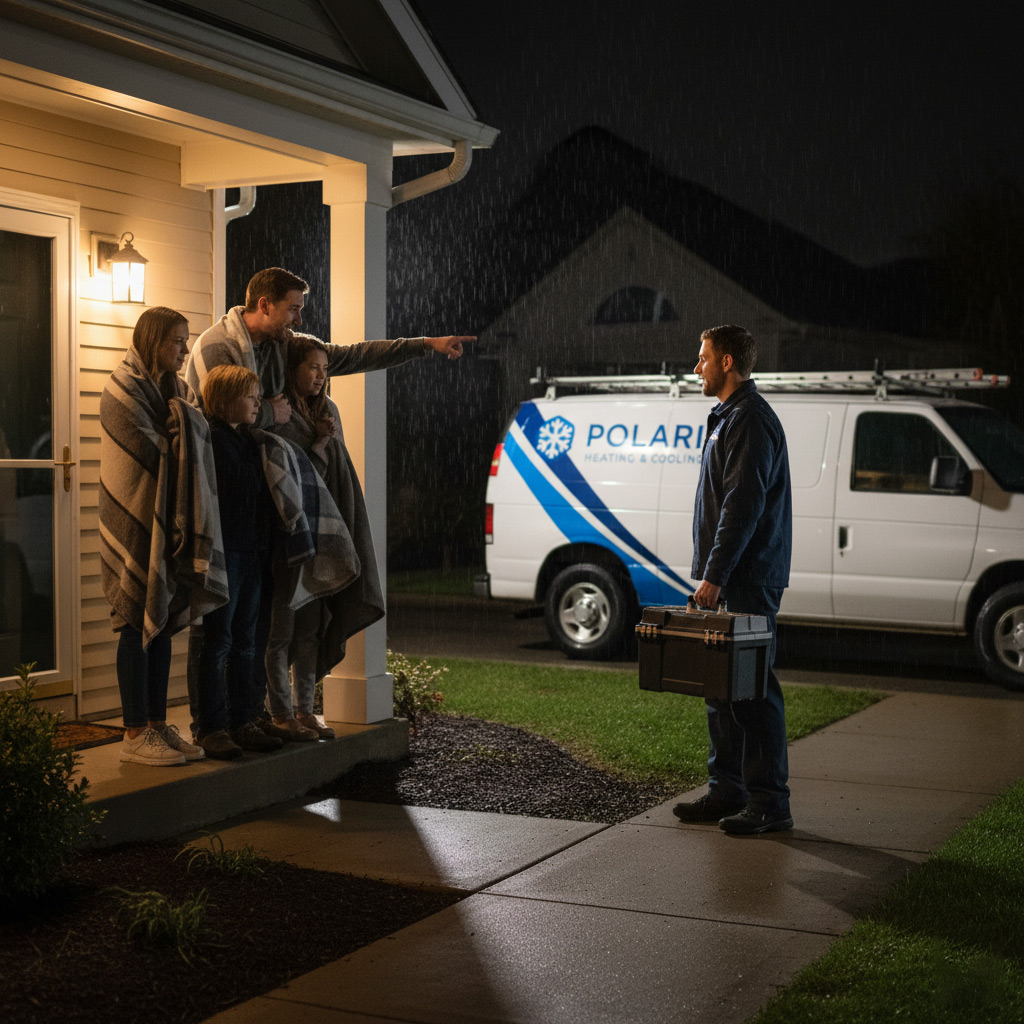
Your AC dies on the hottest weekend of the year, and your first thought might be to grab a wrench and a YouTube tutorial. Big mistake. Most homeowners in Greensboro accidentally turn a $200 fix into a $2,000 nightmare because they skip the basics and jump straight into the complicated stuff.
I've seen folks blow fuses, crack coils, and void warranties in the time it takes to say "Freon." These aren't stupid people; they're just unaware of the hidden tripwires buried in modern HVAC systems. They don't know which mistakes drain their wallets fastest or which problems signal a ticking time bomb.
The good news? These disasters are 100% avoidable if you know what to watch for before you touch anything. With the right knowledge, you can spot trouble early, know when to call a pro, and keep your family cool without financial pain. Let's dive into the repair mistakes that could be costing you thousands.
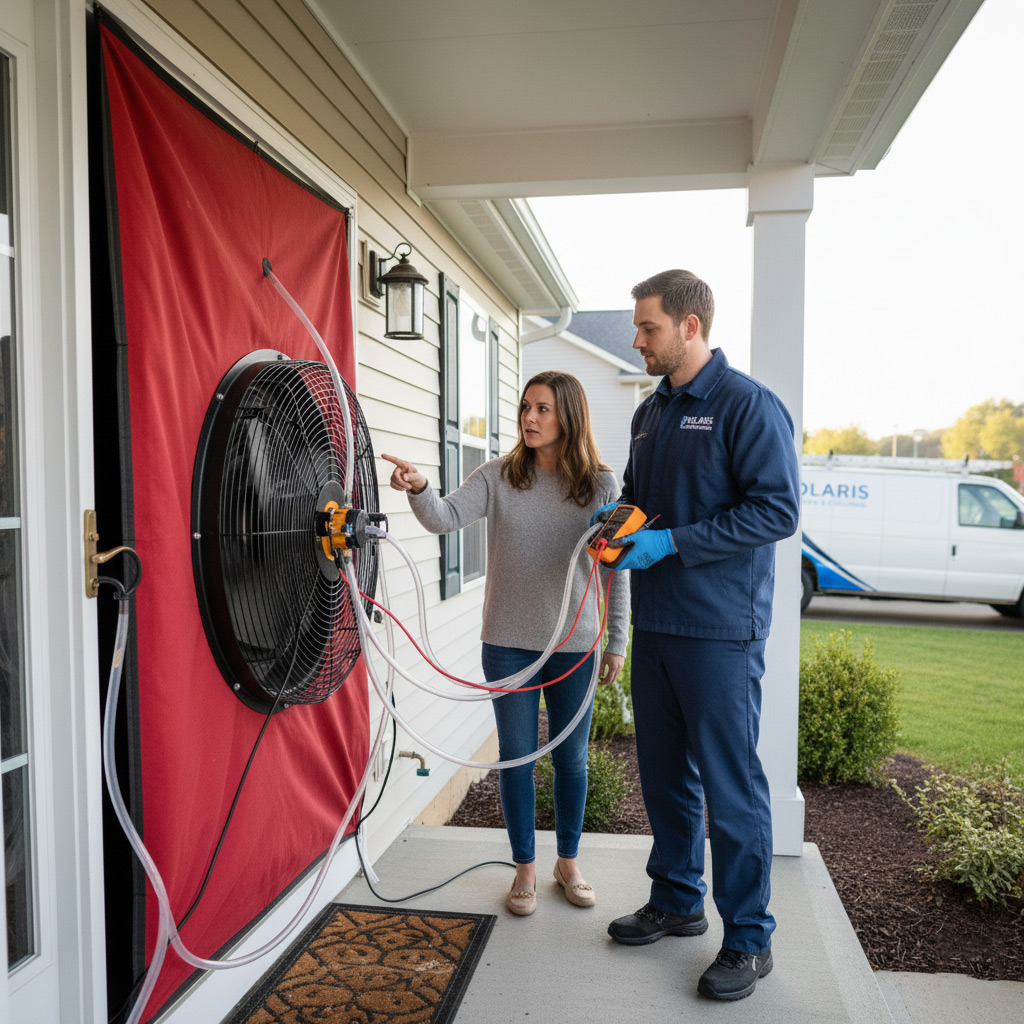
The #1 Costly Mistake: Skipping the Obvious Checks (And What to Check Instead)
Picture this: you're sweating bullets, kids are complaining, and your first move is to rip open the outdoor unit with a screwdriver. Stop right there. I've watched Greensboro homeowners spend $800 on "emergency repairs" for a flipped breaker or a dirty filter choking their system to death.
The truth stings: 90% of AC shutdowns stem from laughably simple fixes anyone can handle in five minutes. But pride kicks in. We ignore the basics, convinced our problem is special. Meanwhile, your AC is gasping for air because you haven't checked these three money pits.
Check These First (Before You Touch Anything)
- Dirty Air Filters — If you haven't changed yours in 2 months, you're suffocating your system. Restricted airflow forces the compressor to work triple-time, leading to frozen coils and premature burnout.
- Breaker Box — Power surges knock breakers sideways without flipping them. Turn it off, then flip it back on. If it won't reset, you've got deeper electrical gremlins.
- Drain Line Clogs — Moisture buildup trips safety switches. Clear the drain with vinegar or a wire brush, and your system might roar back to life.
- Thermostat Batteries — No joke. Dead batteries make your thermostat report phantom "no cooling" signals.
I'm not guessing here. Last July, a family off Pisgah Church Road spent $450 on a "defective capacitor." Turned out a clogged drain line tripped the condensate overflow switch. They paid labor for a service call, diagnostics, and parts they didn't need. All because they refused to check the obvious.
Modern HVAC units have safety protocols smarter than most DIYers. Those flashing error codes on your thermostat? They're telling you exactly what's wrong. But instead of listening, we yank wires, poke components, and create problems where none existed. Don't be that person.
When to Suspect Bigger Trouble
If you've ticked every box above, it's time to consider serious issues. Here's your red flag checklist.
- Strange grinding or screeching noises from the blower motor
- Ice buildup on refrigerant lines or the indoor coil
- Yellow or blackened electrical connections
- Water pooling around the indoor unit
- Burnt ozone smell when the system kicks on
Any one of these signals means back away from the tools. You're dealing with refrigerant leaks, failed motors, cracked heat exchangers, or fried circuits. None of these play nice with YouTube tutorials.
Here's the brutal reality: skipping these checks costs you three ways. First, you waste money on unnecessary repairs. Second, you shorten your system's lifespan through neglect. Third, you void warranties faster than you can say "homeowner error."
Next time your AC quits, fight the urge to "fix" it. Start with the free, simple checks. If those fail, call someone who knows what they're doing. Your wallet—and your family's comfort—depend on it.
The #1 Costly Mistake: Skipping the Obvious Checks (And What to Check Instead)
You wouldn't believe how many Greensboro homeowners I've watched spend $500 on a service call for a tripped breaker. Seriously. They'll spend hours troubleshooting their AC unit, convinced the compressor's dead or the refrigerant lines are shot.
Meanwhile, the real problem's sitting right there in their electrical panel - a simple flipped switch. Here's what you need to check before you ever think about calling for repairs:
The 5-Minute Money-Saving Checklist
- Check your thermostat batteries - Dead batteries cause more service calls than you'd imagine
- Make sure the thermostat's set to "cool" and not "off" or "heat"
- Verify the circuit breaker hasn't tripped (it happens more often during Greensboro's brutal summer heatwaves)
- Check if your air filter looks like a grey carpet (dirty filters restrict airflow and can freeze your system)
- Peek at the outdoor unit - make sure it's not buried under leaves or blocked by overgrown shrubs
Here's the brutal truth most HVAC companies won't tell you: We charge $89-$129 just to walk through your door. I've personally shown up to homes where the homeowner swore their system was broken, only to flip a breaker or replace a filter while they watched.
It's embarrassing for them, and frankly, it's money they shouldn't have spent. But I get it - when you're sweating in your own living room at 2 PM on a humid North Carolina afternoon, panic sets in. Your brain jumps to worst-case scenarios.
Last July, I responded to a call from a family on West Market Street. The wife was nearly in tears because their AC had been out for two days, and they'd already scheduled a complete system replacement with another company for $8,200.
I asked three questions: "Did you check your filters?" "Did you check the breaker?" "When's the last time you changed the thermostat batteries?" Her husband scoffed, saying they'd already done all that. Ten minutes later, I pulled a filter so clogged with pet hair and dust that you couldn't see light through it.
The system kicked on immediately after filter replacement. Total cost? $18 for the filter and our $99 service fee. I cancelled the $8,200 replacement call for them.
Here's the bottom line: Modern HVAC systems have multiple built-in safety switches designed to shut down when something's wrong. 90% of the time, it's not a mechanical failure - it's your system protecting itself from a simple problem you can fix yourself.
Before you panic, before you call for emergency service, before you schedule that expensive replacement - run through that checklist. Your wallet will thank you when you're not paying hundreds for a five-minute fix you could've handled yourself.
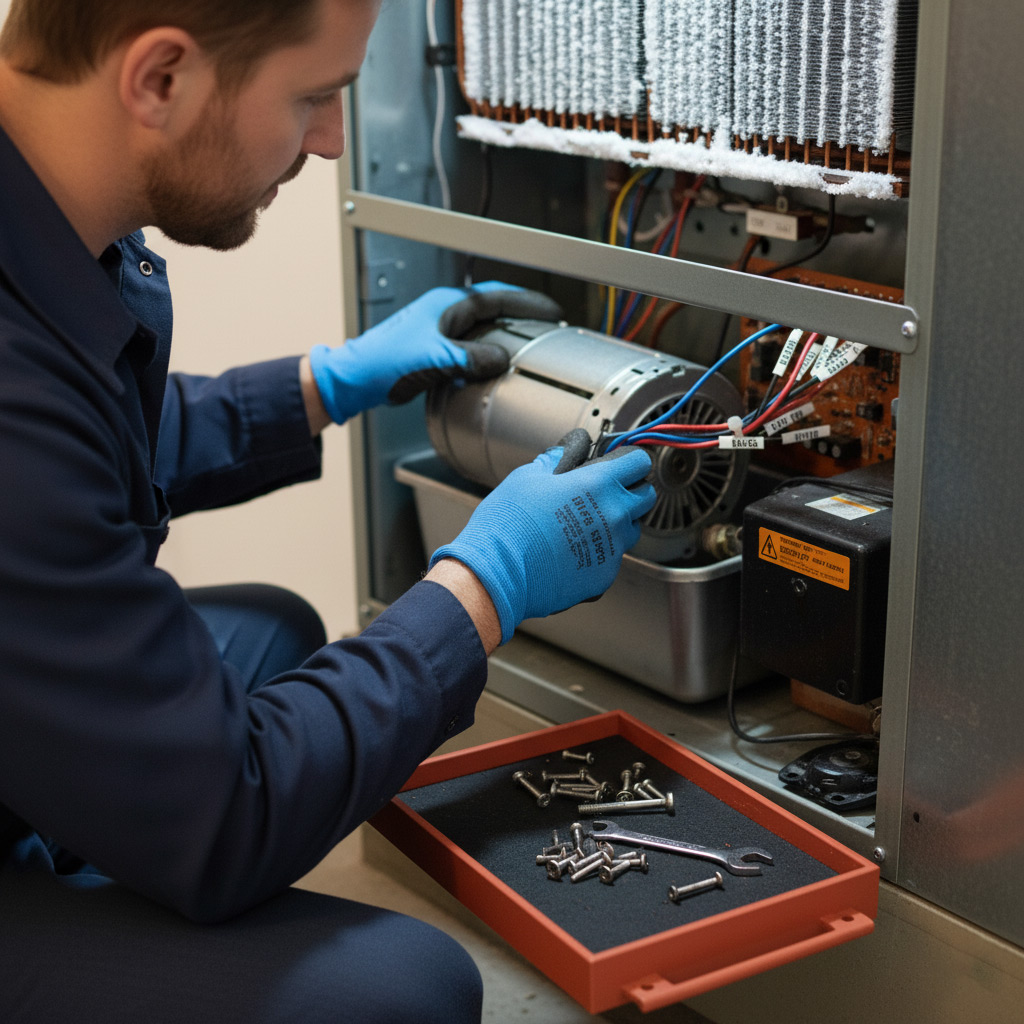
Electrical Errors That Can Fry Your System (And Your Budget)
Homeowners often assume electricity is electricity—flip a switch, things work. But central air conditioning runs on a complex web of circuits that don't forgive guesswork. I've lost track of how many Greensboro residents have called me after they've accidentally swapped a 15-amp breaker for a 30-amp one, thinking it would "make the AC more powerful."
That move doesn't help. It turns your breaker into a decorative switch that won't trip when it should. Overheating wires start melting insulation behind your walls, and suddenly you're not just fixing an AC unit—you're rewiring your house. Not what you want at 2 p.m. on a July Tuesday.
Look, I get it. Fuses look simple. Capacitors seem like batteries that just need a jump start. But here's what happens when you wing it:
- Using the wrong gauge wire creates resistance hotspots that fry connections faster than you can say "breaker panel."
- Bypassing safety switches because "the fan still runs" eliminates the system's ability to detect frozen coils or failing motors.
- Mixing up low-voltage thermostat wires with high-voltage compressor lines can send 240 volts straight into your control board—instant toast.
- Assuming every breaker in your panel can handle the AC load, when half those circuits feed your kitchen and living room.
Modern AC units have delicate circuit boards that cost more than your last car payment. Touch the wrong thing with static electricity, and you're ordering expensive replacements from a specialty distributor who knows you're desperate. It's never a quick shipment.
Even replacing a contactor seems straightforward until you realize the new one arcs because you didn't coat the connections with dielectric grease. Or you install a capacitor backward and watch smoke roll out of your condenser. These aren't horror stories—they're Tuesday mornings for HVAC techs everywhere.
Here's the brutal truth: Electrical diagnostics require specialized tools most homeowners don't own. A multimeter alone won't catch failing windings in a compressor motor or a weak relay that works fine until temperatures hit 95°. By then, your compressor locks up from low voltage, and you're staring at a $3,000 replacement instead of a $200 repair.
Worse yet, electrical errors create cascading failures. A loose connection on the disconnect box causes the compressor to draw unbalanced voltage, which wears out bearings unevenly, leading to vibrations that crack refrigerant lines. Nine months later, you're replacing the entire outdoor unit because nobody caught the initial voltage drop.
So before you start testing wires with a non-contact voltage tester from Harbor Freight—stop. Your AC's electrical system isn't a ceiling fan or a garbage disposal. It runs 24/7 under extreme heat, pulling enough power to light up six bedrooms. One wrong splice, and you're explaining to your insurance adjuster why your garage wall caught fire during a heatwave.
How Improper DIY Repairs Void Your Warranty and Invalidate Your Insurance
Here's something most Greensboro homeowners never consider until it's too late: that "simple" fix you attempted last summer just torched your manufacturer's warranty like a match to gasoline. Modern HVAC systems come with specific protection plans that cover parts and labor for years—but only if certified technicians perform the work. The moment you crack open that condenser unit or start splicing wires without proper credentials, you've essentially torn up your warranty paperwork yourself.
Manufacturers aren't being difficult here—they're protecting themselves from liability when untrained hands cause cascading failures. When you bypass safety protocols or use non-approved replacement parts, you create a paper trail of red flags that voids coverage instantly. That $500 circuit board that failed six months after your DIY thermostat install? Now it's coming straight out of your pocket instead of being replaced at no charge.
Your homeowner's insurance policy contains similar traps. Most policies exclude coverage for damages caused by unqualified repair attempts. If your DIY refrigerant line repair leaks and causes thousands in water damage, your insurer can legally deny the claim. They'll point to policy language requiring "professional installation and maintenance" of major systems.
Insurance adjusters look for three warning signs when investigating HVAC-related claims:
- Missing maintenance records from licensed contractors
- Non-permitted electrical or plumbing modifications
- Evidence of homeowner repairs using improper tools or techniques
Keep receipts from qualified Greensboro HVAC companies for every service visit. Documenting professional maintenance creates a paper trail that protects both your warranty and insurance coverage. Without it, you're flying blind into expensive territory when things go wrong.

Case Study: How One Greensboro Family Turned a $150 DIY Fix into a $2,400 Emergency
Meet Sarah and Mike Henderson from Adams Farm. Last July, their 12-year-old AC unit started making a grinding noise during peak afternoon heat. Instead of calling a professional, Mike confidently declared, "I watched a YouTube video on this!" He spent $150 on a replacement capacitor from a local supply house and spent his Saturday afternoon elbow-deep in the unit.
Here's where it all went wrong. What Mike thought was a "simple capacitor swap" turned into multiple cascading failures. The local HVAC tech who finally showed up Monday morning found melted wiring, a fried contactor, and refrigerant leaks Mike didn't even realize he'd caused.
The Henderson's learned three brutal lessons the hard way:
Ignoring the real problem. The noisy capacitor was actually a symptom of an aging compressor drawing too much power—not the root cause. Replacing the capacitor without addressing the compressor overload was like putting a Band-Aid on a broken arm.
Messing with refrigerant. Mike accidentally loosened a refrigerant line connection while "cleaning" around the area. He didn't know he'd created a slow leak that would cost $800 to locate and repair.
Creating electrical hazards. He used the wrong gauge of wire for a temporary repair, which overheated and melted adjacent components.
When to Call a Professional HVAC Technician
You've checked the thermostat, changed the filter, and reset the breaker. Now what? If your AC still blows warm air or makes noises like a blender full of rocks, it's time to call a professional. There's a fine line between a quick fix and a full system meltdown, and guessing wrong costs thousands.
Watch for these warning signs:
- Strange sounds (grinding, squealing, or banging)
- Water pooling around the indoor unit
- Ice forming on refrigerant lines or the outdoor unit
- Breakers tripping repeatedly
- A 10-degree difference between what your thermostat reads and what you feel
Here's the kicker: most HVAC contractors in Greensboro offer free or low-cost diagnostics. A certified technician can spot problems you'd miss in ten hours of YouTube tutorials. They carry gauges, meters, and refrigerant that homeowners can't legally purchase. More importantly, they know local codes and safety standards that protect your family and your insurance coverage.
Think of it this way: you wouldn't perform surgery after watching a medical video. Your AC system contains high-voltage electricity, toxic chemicals, and pressures that can cause serious injury. A pro spends years learning this trade for good reason.
Final Words
Real power isn't about knowing how to fix every AC problem yourself—it's about recognizing when putting down the tools saves you thousands. The difference between a minor service call and a full system replacement often comes down to one simple question: "Should I keep going, or should I call someone who does this every single day?"
Modern HVAC systems aren't like changing a car battery. They're complex machines with refrigerant pressures, electrical codes, and warranty fine print that can turn a weekend warrior victory into a financial disaster. The homeowners who sleep well during Greensboro's brutal summers aren't the ones with the most tools—they're the ones with a trusted technician on speed dial.
Your AC is the most expensive appliance you'll replace aside from your roof. Why gamble with YouTube tutorials when a $89 diagnostic could prevent a $4,500 compressor burnout? If your unit is acting strange, making odd noises, or just not keeping up, don't experiment. Call a pro who can spot the small issues before they become big invoices.
Want more insider tips on keeping your system running smoothly? Check out our comprehensive AC Unit Repair guide for seasonal maintenance checklists and early warning signs every homeowner should know.
People Also Ask
What are the most common AC repair mistakes homeowners make?
Homeowners often skip simple checks like dirty filters and tripped breakers, jump straight to adding refrigerant without identifying leaks, and attempt complex electrical repairs without proper training. These mistakes frequently turn minor issues into expensive system failures and can create safety hazards.Can I fix my AC unit myself to save money?
While basic maintenance like changing filters is safe for homeowners, most AC repairs require licensed HVAC technicians due to refrigerant handling regulations and electrical safety requirements. DIY repairs often void manufacturer warranties and can lead to costlier damage, making professional service the more economical choice long-term.Does adding more refrigerant fix a warm AC?
Simply adding refrigerant usually masks underlying problems like leaks and can actually damage your compressor over time. A properly functioning AC system should never need refrigerant added—if levels are low, there's a leak that must be located and repaired by a professional.Why does my AC repair void my homeowners insurance?
Improper DIY repairs can void insurance coverage because unlicensed work creates potential fire and electrical hazards that insurance policies exclude. Many policies specifically require licensed professionals for HVAC electrical work, and unauthorized modifications can leave you financially responsible for any resulting damage.How do I know when to call a professional HVAC technician?
Call a professional for any issues involving electrical components, refrigerant handling, unusual noises, persistent warm air, or if you're unsure about the problem's cause. Licensed technicians have the equipment, training, and certifications needed to safely diagnose and repair complex HVAC issues while protecting your warranty and insurance coverage.
Greensboro HVAC brings years of hands-on experience in heating, ventilation, and air conditioning service, installation, and maintenance for both residential and commercial clients. Their certified technicians stay current with industry standards and local climate demands to deliver reliable, efficient solutions tailored to Greensboro's needs. They provide timely response and clear communication throughout the Triad area, ensuring every job is completed to professional standards.
Need HVAC?
We deliver timely and effective solutions in Greensboro, NC and surrounding areas (27401, 27403, 27410) to help individuals and businesses achieve their goals quickly and efficiently, with a focus on driving results and enhancing productivity. Our services are designed to provide fast and reliable outcomes that meet the unique needs of our clients.
Request Detailed Quote