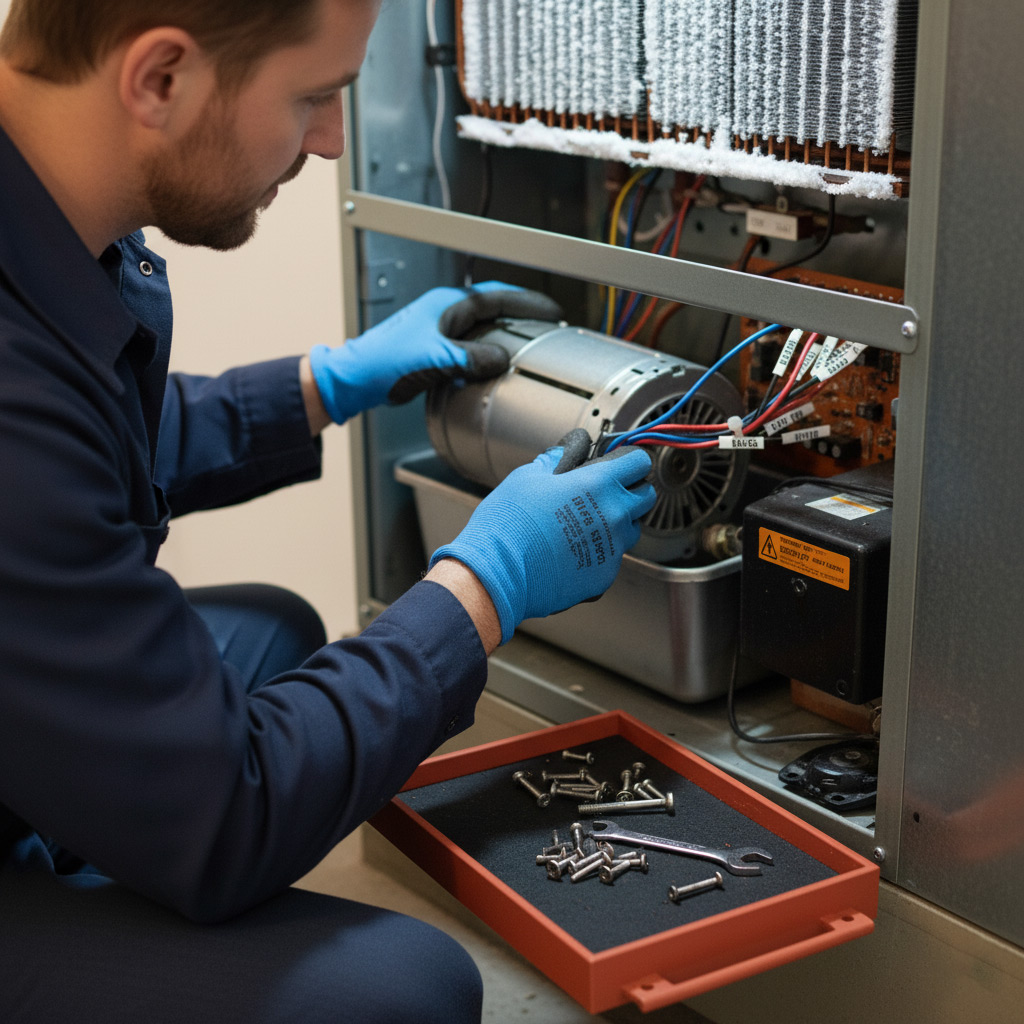
Picture this: It's the coldest night Greensboro has seen in years, and your family's huddled under blankets because your boiler just quit. That teeth-chattering scenario? It happens more often than you think—usually when you least expect it.
Here's the brutal truth most HVAC companies won't tell you: Getting boiler installation wrong costs homeowners an average of $1,200 in emergency repairs within the first year alone. Bad installations don't just break down—they can hike your energy bills by 40%, turn your basement into a disaster zone, and turn a simple upgrade into a money pit.
But what if you knew the exact questions to ask installers, the red flags that signal trouble, and the insider tricks that separate a smooth, efficient installation from a homeowner's worst nightmare?
Stick around—this guide strips away the industry jargon and gives you the no-nonsense boiler installation insights every Greensboro homeowner deserves to know before the next cold snap hits.
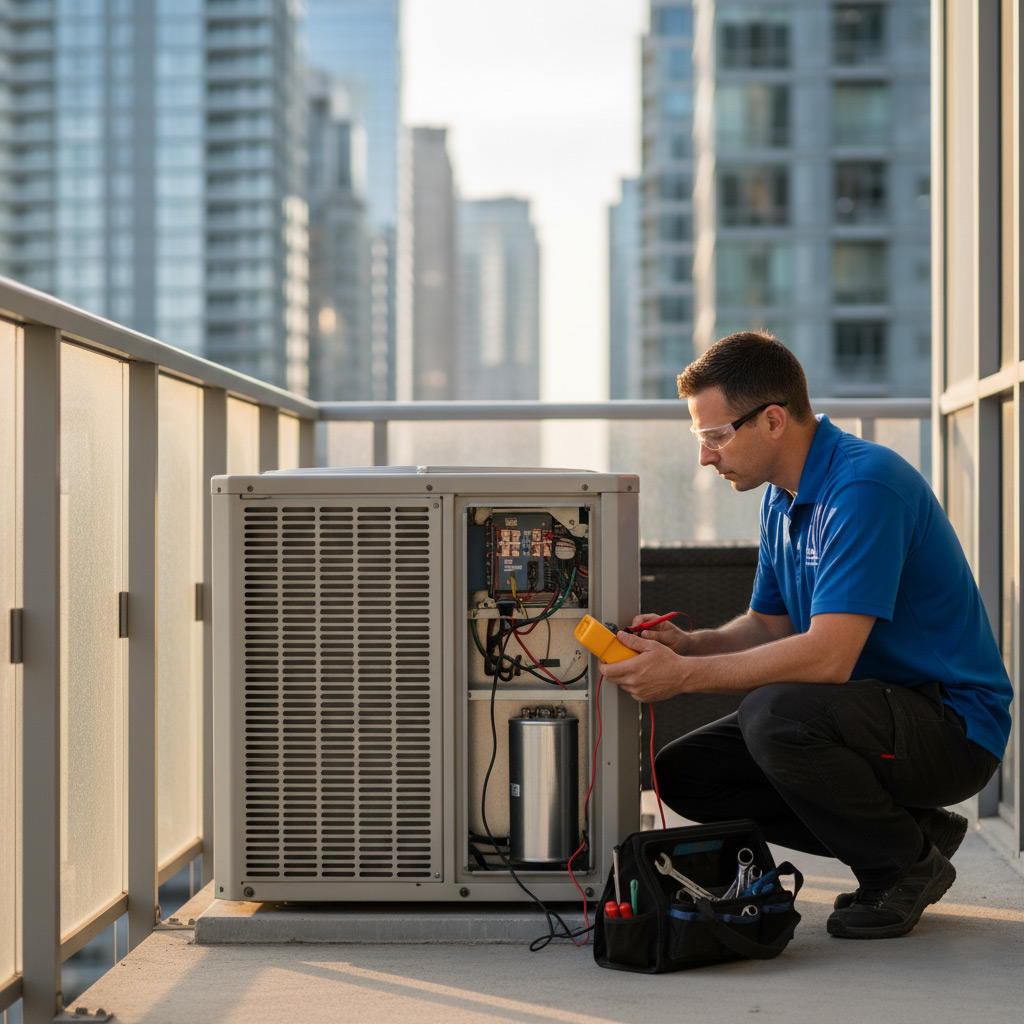
Understanding Your Greensboro Home's Heating Needs: Size, Age, and Layout Factors
Before you even think about boiler specs or installation quotes, there's one brutal reality you need to face head-on: your neighbor's perfect boiler could be your financial nightmare. Greensboro homes built in the 1950s bleed heat through single-pane windows and uninsulated walls like a sieve. Meanwhile, that sleek new condo downtown? It's wrapped tighter than a drum.
Here's what actually matters when sizing your boiler system:
- Square footage isn't king - Your 2,000 sq ft ranch needs vastly different heating than a two-story colonial with the same footprint
- Ceiling height dramatically changes BTU requirements (those 10-foot ceilings in older Greensboro homes are beautiful... and expensive to heat)
- Window quality and quantity can add 15-25% to your heating load
- Existing ductwork condition determines whether you're looking at $2,000 or $12,000 in retrofitting costs
Older homes in Greensboro's historic districts - think Fisher Park, Lindley Park, or Sunset Hills - present unique challenges that most installers gloss over. These properties often have:
- Plaster walls that act like thermal sponges
- Uninsulated crawl spaces that leak heat constantly
- Vintage radiators that require specific water temperatures
- Original piping that may not handle modern high-efficiency systems
The layout factor is where most homeowners get burned. A boiler that works perfectly for an open-concept suburban home in Adams Farm struggles miserably in a chopped-up Victorian in College Hill. You need a system that can push heat through multiple zones, handle long pipe runs, and compensate for rooms added during decades of renovations.
Here's a pro tip most installers won't share: If your home has additions from different decades, each section likely has different insulation values and air leakage rates. A proper heat load calculation should treat each area separately - not just divide total square footage by some generic BTU multiplier.
Types of Boiler Systems: Comparing Efficiency, Costs, and Greensboro Climate Compatibility
Greensboro's winters demand a boiler that doesn't flinch when temperatures plummet. The wrong system choice here isn't just inconvenient—it's expensive. Let's break down the three main options local homeowners consider, starting with the workhorse of the Piedmont Triad.
Conventional Gas Boilers: Greensboro's Go-To Choice
Most Greensboro homes run on natural gas, and conventional boilers dominate older neighborhoods like Fisher Park and Lindley Park for good reason. They're reliable, relatively affordable upfront, and contractors here know them inside out. But here's the catch: they waste 15-20% of fuel through heat loss, which hits harder when ice storms knock out power for days.
Installation costs range from $3,500 to $7,000 depending on your home's square footage. A 2,000 sq ft Greensboro ranch might land at $4,800, while a larger Irving Park colonial could push $6,500. These systems last 15-20 years with proper maintenance, but efficiency ratings hover around 80-85% AFUE.
High-Efficiency Condensing Boilers: The Smart Money Play
Condensing boilers capture exhaust heat that traditional units blow straight out your chimney. They squeeze 90-98% AFUE from every therm of gas, which matters when Duke Energy hikes rates every winter. The math gets interesting fast: a 95% efficient unit saves $300-600 annually compared to an 80% model in Greensboro's climate.
Expect to pay $6,000-10,000 installed, with modulation features adding premium. These units self-adjust flame size to match demand, eliminating the constant on-off cycling that wastes fuel. They're ideal for Greensboro's shoulder seasons when you need gentle heat without roasting the house.
Oil Boilers: Niche But Necessary
Rural Guilford County properties without gas lines often rely on oil boilers. They pack serious BTU punch and work when the grid fails, but fuel costs bite hard. Oil prices swing wildly based on global markets and delivery availability during snowstorms.
- Installation: $5,000-9,000
- Efficiency: 80-87% AFUE
- Annual fuel cost: 20-30% higher than gas
- Maintenance: Requires annual cleaning
Modern oil systems include flame-retention burners that slash fuel use compared to older models. If you're stuck with oil, upgrading to a condensing oil boiler cuts consumption by 15-20%, though finding qualified Greensboro technicians gets trickier each year.
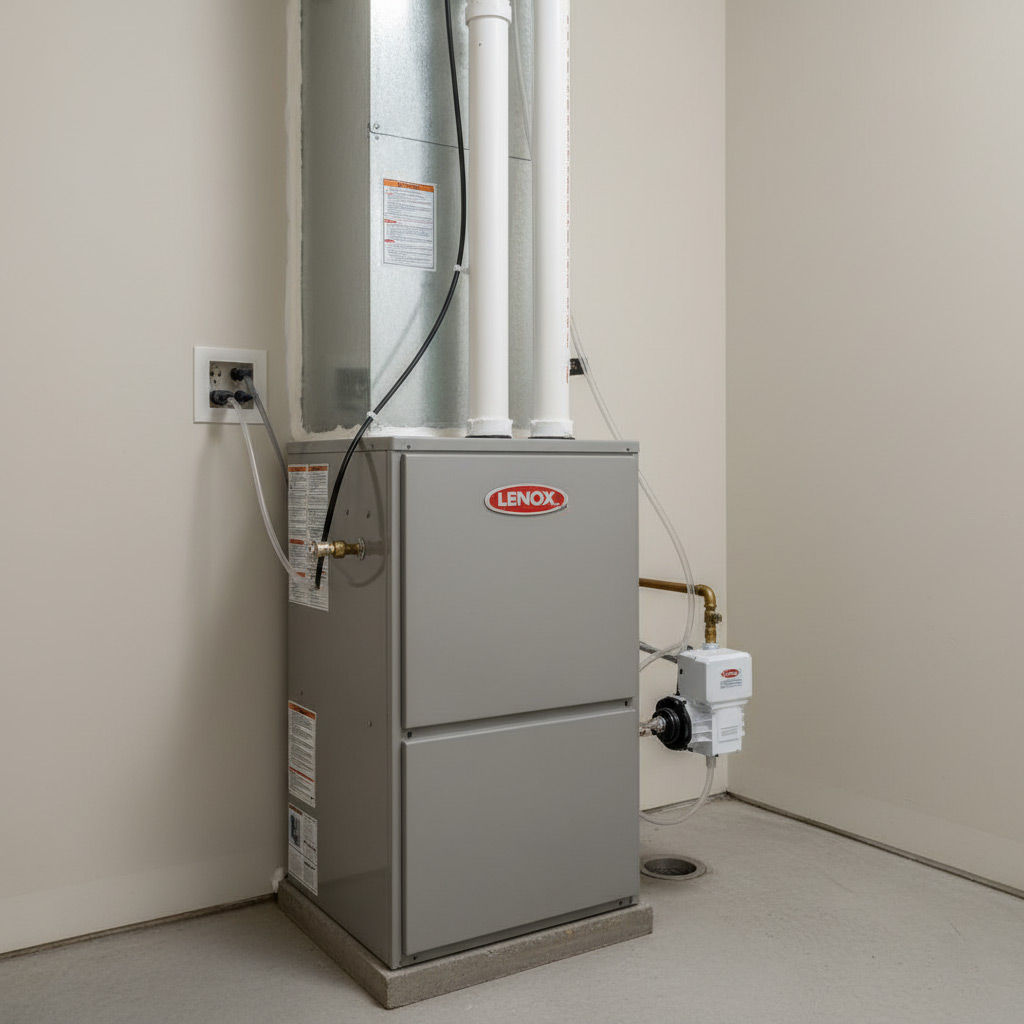
The Real Cost Breakdown: What Greensboro Homeowners Actually Pay for Professional Installation
Let's cut through the sales pitches and get straight to the numbers. When Greensboro homeowners ask about boiler installation costs, most contractors throw out a ballpark figure between $4,500 and $8,000, then quickly add "but it depends." What they're not telling you is that hidden costs can easily push that number 30-50% higher if you're not prepared.
The truth? Your final bill breaks down into three main buckets. Understanding these eliminates nasty surprises and helps you budget realistically.
Upfront Equipment Costs (The Obvious Part)
You're looking at $2,500 to $5,500 for the boiler unit itself, depending on three key factors that directly impact your Greensboro home:
- Fuel type: Natural gas boilers cost $2,500-$4,200, while oil-fired units hit $3,800-$5,500. Propane conversions? Add another $600-900.
- Efficiency rating: Basic 80% AFUE models start around $2,800. Jump to 95%+ high-efficiency condensing boilers, and you're at $4,500-$6,800.
- Home size: A 1,200 sq ft Greensboro bungalow needs a smaller unit ($3,200) versus a 3,500 sq ft Colonial that requires $5,200+ models.
Here's what most Greensboro homeowners miss. That shiny new boiler might need additional components your old system didn't have. High-efficiency models require stainless steel venting ($400-850 extra), condensate pumps ($200-350), and sometimes upgraded gas lines ($300-600).
Installation Labor: Where Prices Vary Wildly
Professional installation labor in Greensboro runs $1,200 to $2,800, but why such a spread? Experienced contractors charge more because they work faster, make fewer mistakes, and know Greensboro's specific codes cold. A $950 "budget" installation often means cutting corners that bite you later.
Consider this breakdown of what quality labor includes:
- Removing and disposing of your old boiler ($150-300)
- Installing new piping and connections ($450-850)
- Electrical work and thermostat integration ($250-400)
- System testing and balancing ($150-200)
- Building permit and inspection fees ($125-275)
Hidden Costs That Catch Homeowners Off Guard
This is where Greensboro homeowners get burned. Your boiler quote never mentions the "discovery phase"—when installers open walls and find issues. Budget $500-1,200 for unexpected repairs like corroded pipes, improper venting, or asbestos abatement in older Greensboro homes.
Want to avoid sticker shock? Ask installers to include a "worst-case scenario" line item upfront. Good contractors build in contingency costs and show you exactly where your money goes. Never accept a quote that says "additional charges may apply" without specific dollar ranges.
The real insiders know this trick. Get three quotes, then ask each contractor to explain their competitor's lower price. You'll quickly learn who's cutting safety corners versus who's padding profit margins. Your basement—and your bank account—will thank you later.
Red Flags to Avoid: 7 Warning Signs of Bad Installers in the Greensboro Area
You wouldn't let a mechanic work on your car blindfolded, so why would you trust an HVAC company that can't answer basic questions about your home's heating system? The truth is, boiler installation isn't rocket science, but it requires precision, local knowledge, and genuine care for your family's comfort. When Greensboro homeowners rush into hiring the first contractor who shows up, they're playing Russian roulette with their winter comfort and their bank account.
Watch for these seven warning signs that separate the amateurs from the pros. Your heating bills depend on it.
The Silent Treatment
Good installers talk. A lot. They'll ask about your home's age, insulation quality, and even your family's daily schedule. If your contractor sits there nodding without probing deeper than "What's your budget?", that's your first clue something's off.
Responsive communication isn't just polite, it's professional. You want someone who'll call back within hours, not days.
The Vanishing Act
Ask for proof of North Carolina HVAC licensing, and watch how fast they squirm. Legitimate Greensboro contractors carry proper credentials like a badge of honor. If they hesitate, make excuses, or promise to "send it later," show them the door.
Check these three essentials before signing anything:
- Valid North Carolina HVAC license number (verify online through NC State Board)
- General liability insurance (ask for the certificate, not just verbal assurance)
- Local references from Greensboro area homes
The One-Size-Fits-All Salesman
Your 1920s Craftsman has different heating needs than your neighbor's 2015 subdivision home. Yet somehow, some contractors push the same boiler model for every single job. That's not efficiency, that's laziness disguised as expertise.
Quality installers measure, calculate heat loss, and customize solutions. They know Greensboro's winter lows hit 20°F regularly, and they size systems accordingly. If they're not asking about your home's square footage, window types, and existing ductwork condition, they're guessing. You don't want guesswork keeping your kids warm.
The No-Warranty Wonder
Here's a sobering fact: roughly 15% of botched boiler installations show problems within the first 90 days. Solid contractors back their work with comprehensive warranties because they trust their craftsmanship. Fly-by-night operators offer vague promises and handshake deals.
Demand written guarantees covering labor and parts. Five years minimum for labor, ten for equipment. If they balk, there's your answer.
The Rush Job
"We can knock this out in four hours!" might sound impressive until you realize proper boiler installation takes time. Permits need pulling, old equipment needs safe removal, and new systems require testing. Speed kills quality when it comes to heating systems.
A professional Greensboro installer schedules properly, explains each phase, and never cuts corners to meet arbitrary deadlines.
The Mystery Quote
Transparent pricing separates reputable companies from price-gougers. If your estimate looks like hieroglyphics with vague line items like "miscellaneous fees" or "additional charges," something's fishy. Reliable contractors break down costs clearly, showing exactly where your money goes.
Watch for these quote red flags:
- No itemized equipment list with model numbers
- Vague "labor" charges without explanation
- Last-minute add-ons after you've agreed to terms
The Disappearing Act Part Two
Post-installation support matters almost as much as the installation itself. When your new boiler acts up at 2 AM on a Sunday, you need someone who'll answer the phone. Companies that vanish after cashing your check aren't just unprofessional, they're dangerous.
Ask point-blank about emergency service availability. If they hesitate or charge extra for after-hours support, keep looking. Your family's safety isn't negotiable.
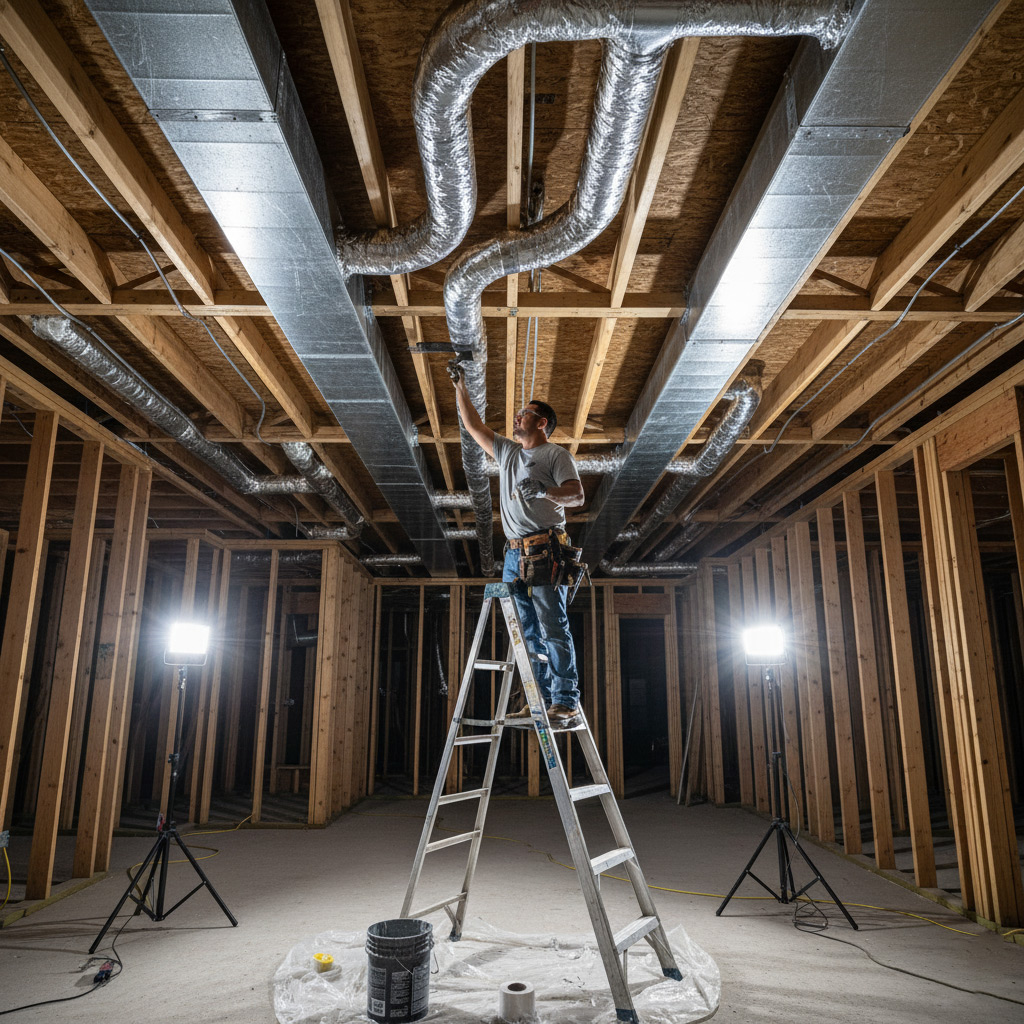
A Greensboro Family's Winter Transformation: The Johnson Residence Case Study
The Johnson family spent three miserable winters in their Greensboro home before they called us. Sarah Johnson would joke that her house had "personal heating zones"—the kitchen was a sauna, the living room felt like a refrigerator, and the bedrooms were just plain inconsistent.
Their old boiler was a 1987 relic that consumed energy like a hungry dragon and broke down every single winter. Last January, their repair bills hit $1,400 in one month alone. The final straw? Their teenage daughter Emma started doing homework in the public library because her room was too cold.
We discovered their system suffered from every installation mistake in the book:
- Oversized boiler that short-cycled constantly
- Improper ventilation causing dangerous drafts
- Wrong type of heat distribution for their 2,400 sq ft layout
- Complete absence of zone controls
Within four days of their consultation, we installed a properly sized, high-efficiency unit with smart zone controls. The transformation? Immediate.
Their energy bills dropped by 36% the very first month. More importantly, every room stayed consistently warm. Emma moved back into her bedroom, and Sarah no longer had to bake cookies just to heat the kitchen.
The Johnsons learned something every Greensboro homeowner should know: Correct installation isn't just about the equipment—it's about understanding how your specific home lives and breathes.
Essential Questions to Ask Your HVAC Contractor Before Signing Any Agreement
Your boiler installation's success hinges on the crew walking through your front door. Most Greensboro homeowners focus solely on the bottom-line number, but smart buyers dig deeper. You wouldn't hire a babysitter without checking references—why would you trust a $10,000 heating system to someone who can't answer basic questions?
Start with licensing. North Carolina requires HVAC contractors to hold proper credentials, but you'd be shocked how many "fly-by-night" operations skip this step. Ask directly: "Can you provide your North Carolina HVAC license number and proof of insurance?" If they hesitate or give you vague answers, end the conversation immediately. This isn't bureaucracy—it's your protection against shoddy work that could flood your basement or worse.
The Hidden Questions That Reveal Everything
Beyond the basics, three simple questions separate the pros from the amateurs. First: "How many boiler installations have you completed in Greensboro homes built before 1990?" Older homes in Fisher Park and Lindley Park have quirks new constructions don't—narrow stairwells, plaster walls, outdated electrical systems. Experience matters when your installer encounters unexpected challenges.
Second, ask about their waste removal process. Will they lay protective mats through your home? Do they bring a dedicated vacuum for debris? These small details reveal whether they respect your property or treat it like a construction site. Third, request a timeline breakdown in writing: demolition day, installation day, testing day. Contractors who can't provide specific schedules often overbook jobs and leave you waiting weeks for completion.
Price Conversations That Protect Your Wallet
When discussing costs, avoid yes/no questions. Instead of "Is this your best price?", try "What's included in this quote, and what would be extra charges?" Many contractors lowball initial estimates, then hit you with "unforeseen" costs for permits, extra piping, or "code compliance issues" that magically appear halfway through the job. Get everything in writing: materials list, labor hours, warranty terms, and payment schedule.
Ask about their change-order policy too. If you decide to upgrade the thermostat mid-project or add a zone, how do they handle pricing? Reputable contractors have clear policies. Sketchy ones see change orders as opportunities to pad invoices. Lastly, never pay 100% upfront. A 30-40% deposit is standard. The final payment should only release after you've tested the system for at least 24 hours and received all documentation.
Final Thoughts: Your Action Plan for a Successful Boiler Installation in Greensboro
You've read the horror stories. You've seen the price tags. Now it's time to turn knowledge into action—because the difference between a winter nightmare and cozy comfort usually comes down to one decision made before the first wrench turns.
Start here: Grab a notebook and write down your top three non-negotiable requirements. Is it the lowest possible energy bills? The quietest operation? A company that guarantees their work in writing? Knowing your must-haves eliminates the sales pressure and keeps you focused when contractors start pitching.
Next, block out two hours this week to interview at least three local Boiler Installation companies. Use the red flags we covered earlier as your checklist—if a contractor brushes off your questions, pressures you to sign today, or can't provide local references, walk away. Your gut feeling is usually right.
Your 72-Hour Installation Game Plan
Day one is for due diligence. Call the Greensboro BBB, check online reviews, and ask for three recent customer contacts. Don't skip this step—bad installers count on homeowners being too busy to verify their stories.
- Get written timelines with penalty clauses for delays
- Demand a detailed scope of work document
- Verify technician certifications and insurance coverage
Day two focuses on the money conversation. Insist on a fixed-price quote, not an estimate. Ask what happens if the project runs over budget due to unforeseen issues—professional companies build contingencies into their pricing and won't nickel-and-dime you later.
Day three is decision day. Compare all proposals side-by-side using a simple scoring system: 30% for reputation and reviews, 25% for warranty terms, 20% for energy efficiency ratings, 15% for total cost, and 10% for how comfortable you feel with the team. The highest score gets your business.
The Final Reality Check
Remember the Johnson family from earlier? They succeeded because they treated boiler installation like hiring a key employee—not like buying a new TV. They asked tough questions, checked references, and refused to be rushed. You should too.
Expect pushback when you ask for proof of insurance or want to speak with previous customers. The good installers welcome these requests. The ones who get defensive? They're the ones you don't want touching your heating system anyway.
Your boiler will last 15-20 years if installed correctly. That's two decades of warm winters, predictable energy bills, and peace of mind. Or it could mean years of repair headaches, inefficient heating, and regret every time you open your utility statement. The choice is simple when you've got the right information—and now you do.
People Also Ask
How long does a boiler installation typically take in Greensboro?
Most residential boiler installations in Greensboro take 1-3 days depending on the system complexity and existing infrastructure. Larger homes or older properties with outdated piping may require up to 5 days for complete installation and testing.What's the average lifespan of a new boiler system?
Modern high-efficiency boilers typically last 15-20 years with proper maintenance in Greensboro's climate. Regular annual servicing by qualified HVAC technicians can extend this lifespan significantly while maintaining optimal efficiency.Do I need a permit for boiler installation in Greensboro?
Yes, Greensboro requires permits for boiler installations, which your licensed HVAC contractor should obtain. This ensures the installation meets local building codes and safety standards, protecting both your home and warranty coverage.Can I install a boiler myself to save money?
DIY boiler installation is strongly discouraged due to safety risks, code requirements, and potential warranty voidance. Professional installation ensures proper sizing, venting, and compliance with local regulations while protecting your home insurance coverage.What maintenance does a new boiler system require?
Annual professional maintenance is essential, including cleaning, inspection, and efficiency testing. Homeowners should also monitor pressure gauges, check for leaks, and replace air filters regularly to maintain optimal performance and prevent costly breakdowns.
Greensboro HVAC provides heating, ventilation, and air conditioning installation, maintenance, and repair services for residential and commercial customers throughout Greensboro, North Carolina. The company is staffed by trained technicians equipped to handle a range of HVAC systems and ensure reliable comfort year-round. As a locally operated business, Greensboro HVAC focuses on timely service, clear communication, and building lasting relationships within the community.
Need HVAC?
We deliver timely and effective solutions in Greensboro, NC and surrounding areas (27401, 27403, 27410) to help individuals and businesses achieve their goals quickly and efficiently, with a focus on driving results and enhancing productivity. Our services are designed to provide fast and reliable outcomes that meet the unique needs of our clients.
Request Detailed Quote