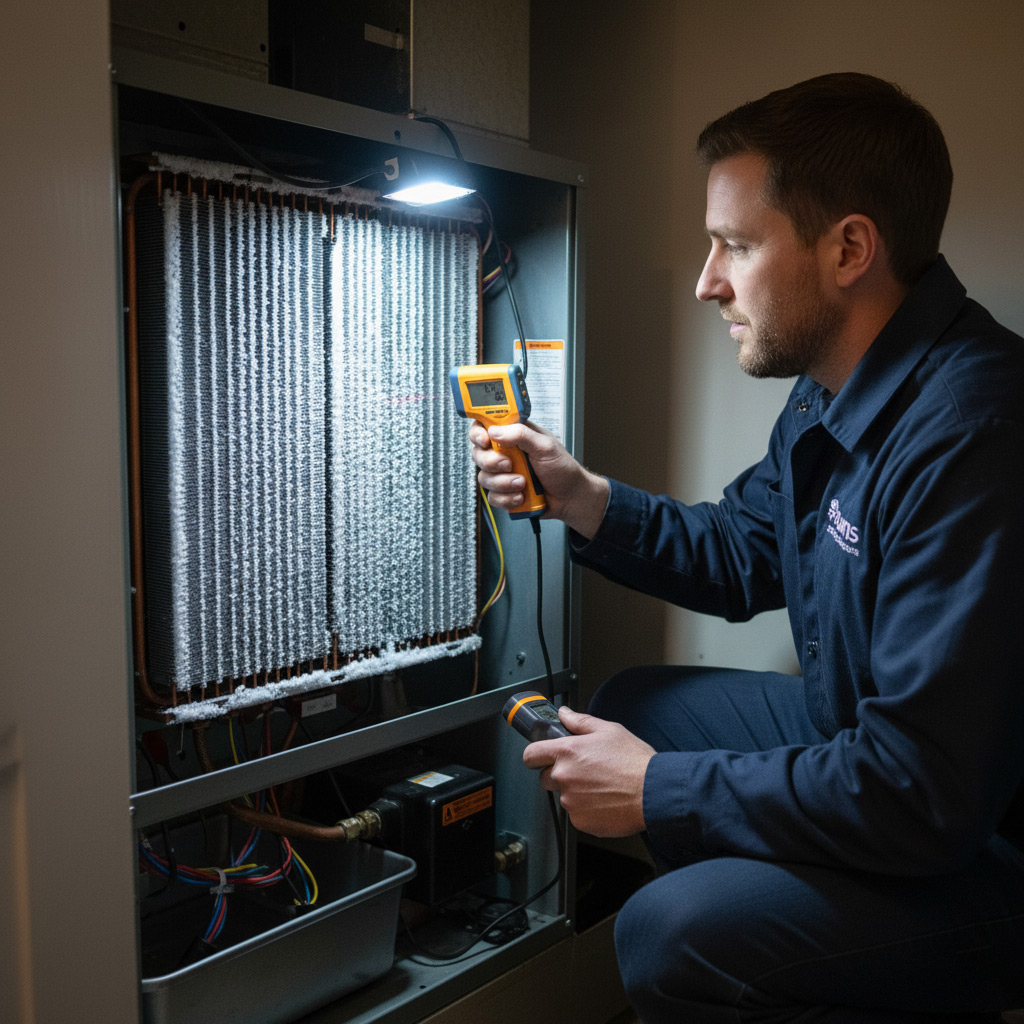
Your furnace just quit at 2 AM on the coldest night Greensboro's seen in years—bet you wish someone had told you about the $200 part that fails 90% of the time.
Most HVAC companies won’t mention this, but there’s a tiny sensor called the flame detector that’s responsible for more no-heat calls than any other component. When it gets coated in dust, your furnace shuts down completely. A two-minute wipe with steel wool—done right—could save you a $400 emergency service call.
The dirty secret? Many techs would rather replace the whole assembly for $800 than show you how to clean it yourself. That’s just one of the hidden tactics some contractors use to pad their invoices.
But here's what's even crazier—the same company that charges $150 to replace a $15 capacitor will walk right past the clogged drain line that'll flood your basement next spring. They’re not stupid; they’re trained to upsell you on parts you don’t need while ignoring the real problems.
What if you could spot these tricks before they happen and know exactly what questions to ask when a repair tech shows up? The next few minutes could cut your heating bills by 30% and save you thousands in unnecessary repairs.
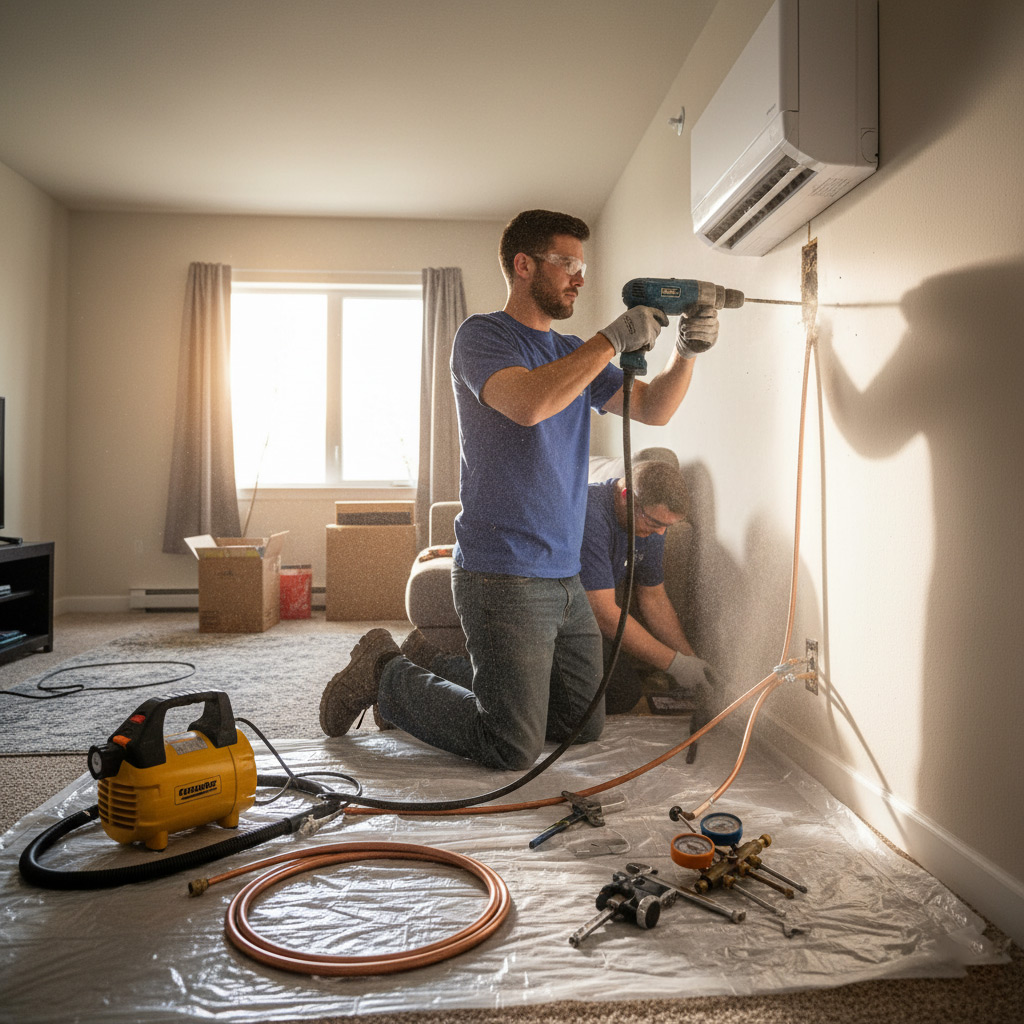
The Flame Detector: Your Furnace's Most Overlooked Failure Point
That little metal rod sitting near your furnace burner? It's called a flame sensor, and it's the reason most Greensboro homeowners wake up freezing at 3 AM. This $40 part sends a microscopic electrical signal to confirm flames are actually burning. When it gets dirty—which happens constantly in our humid climate—your furnace won't start. Period.
Here's what most repair companies won't tell you. That sensor needs cleaning every single year. Dust from your air filter, humidity, and even cooking oils floating through your ducts all coat this critical component. When it fails, your furnace's safety system assumes there's no flame and shuts everything down.
Clean the flame detector yourself in under ten minutes:
- Turn off power at the breaker
- Remove the front access panel
- Slide out the sensor (usually held by one screw)
- Scrub gently with steel wool or emery cloth
- Reinstall and power back up
The real crime? Most HVAC companies charge between $200-$400 for this exact service call. That's $300 for what amounts to cleaning a spark plug. Worse yet, some technicians purposely don't show homeowners this trick because emergency calls generate easy profit.
John Morrison over in Lindley Park learned this the hard way. His Carrier furnace kept shutting off every December for three straight years. Three different companies, three $350 service calls, three flame sensor cleanings. Last winter he tried cleaning it himself after watching a YouTube video. Total cost? Zero dollars. His system ran perfectly through February's ice storm.
The Real Cost of Emergency Calls vs. Preventive Maintenance
Let's talk dollars and sense. When your furnace dies at 2 AM on a Tuesday, you're not just paying for the repair. You're paying the emergency premium—that magical number that turns a $200 fix into a $600 nightmare. HVAC companies know you're desperate, cold, and willing to pay anything to get warm.
Here's what they don't advertise:
- Emergency calls typically cost 2-3x the normal rate
- Weekend and after-hours service adds $150-300 to your bill
- Emergency dispatchers prioritize by profit margin, not urgency
Now flip the script. A preventive maintenance plan in Greensboro runs about $150-200 annually. That same $150 you'd pay in emergency fees alone covers the whole year. During a maintenance visit, a tech should:
- Clean and inspect the flame detector (your #1 failure point)
- Check capacitor readings before they fail
- Clear drain lines to prevent spring flooding
- Test safety controls and heat exchangers
Preventive maintenance isn't just about avoiding breakdowns. It's about keeping your system efficient. A dirty furnace works harder, burns more gas, and costs you more every single month. When a component starts failing, your energy bills spike.
Consider this: a clogged air filter can drop your furnace efficiency by 15%. That's like paying an extra $30-50 per month and not even knowing it. Maintenance catches these issues before they become expensive problems. Your contractor won't tell you this, but most emergency calls could have been prevented with simple routine service.
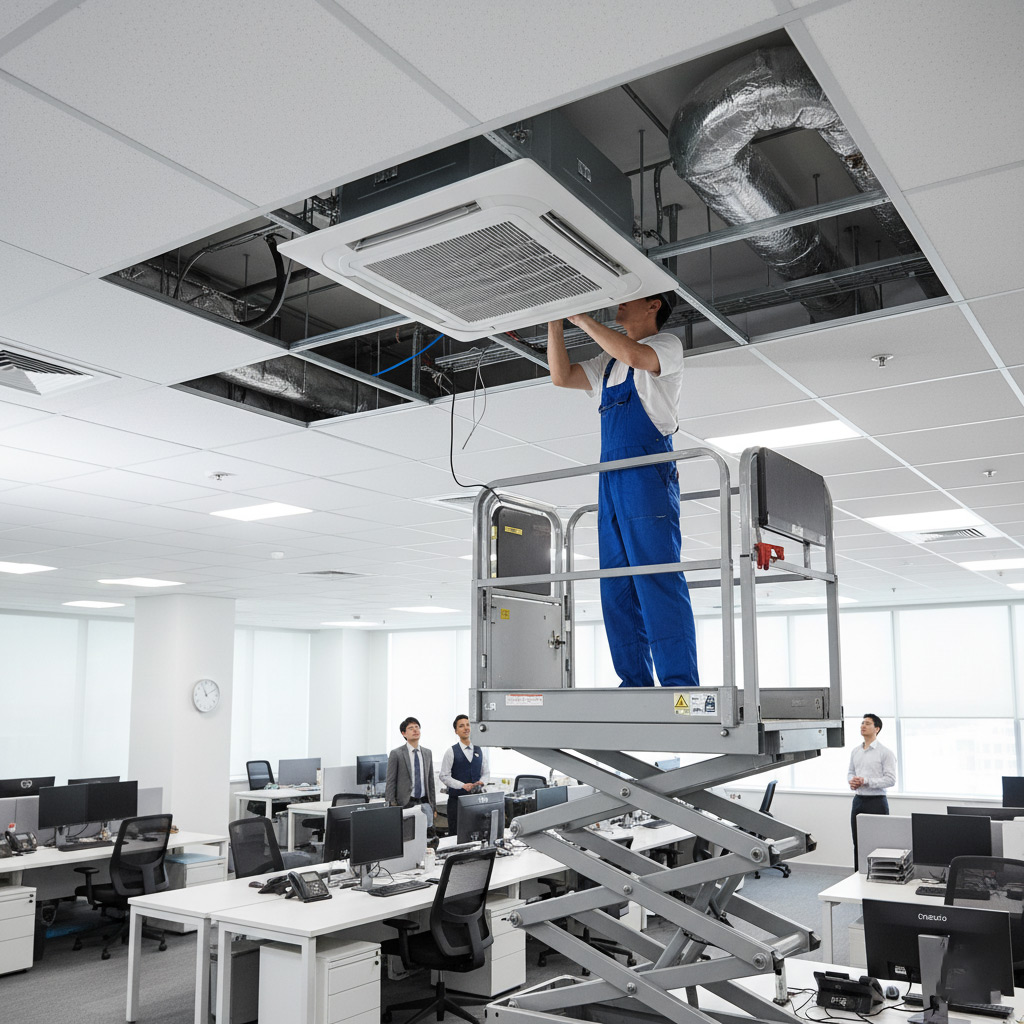
Replace or Repair? Honest Assessments Your Contractor Won't Give You
Here's the brutal truth most HVAC guys won't tell you straight: if your furnace is over 15 years old and the repair quote hits $1,200 or more, you're probably throwing good money after bad. Contractors know this math cold, but they'll still sell you that $1,500 control board replacement on a 20-year-old unit because it's easier than telling you the honest truth.
Why? Simple economics. A repair call nets them $300-500 profit in one afternoon. A full replacement means days of work, permits, inspections, and the risk you'll get three other quotes and pick the cheapest guy. Most techs would rather collect the quick repair money now and let someone else deal with your inevitable breakdown next winter.
The real calculation you need: Take your repair estimate and multiply it by 1.5 (the hidden future repairs you'll likely face). If that number exceeds 50% of what a new, efficient system would cost installed, you're gambling.
Older furnaces don't just break more often—they cost you money every single day they run. A 20-year-old unit might be limping along at 60% efficiency while a new one operates at 95%+. That difference adds up to hundreds in wasted gas each season. Your contractor won't mention this when quoting repairs because they'd rather not do the math out loud.
Warning signs you're pouring money into a lost cause:
- Cracked heat exchanger (immediate replacement needed—safety issue)
- Multiple component failures in under 2 years
- System age 18+ years with any major repair needed
- R-22 refrigerant system needing freon (obsolete and expensive)
The worst part? Some contractors will quote you a "band-aid" repair knowing full well they'll be back in 6 months to sell you the replacement they should have recommended in the first place. They make money coming and going.
Your best defense is asking this exact question: "If this was your house and your money, would you repair or replace?" Watch their face. If they hesitate or give you corporate double-talk, you've got your answer.
The Capacitor Conspiracy: When $15 Parts Become $150 Repairs
Here's something most HVAC companies hope you never figure out: that mysterious "capacitor failure" they're charging you hundreds to fix often involves a $12-18 part you can buy at any electrical supply store. These little aluminum cans are the unsung heroes of your furnace—they store energy and give your blower motor and compressor the jolt they need to start up. When they weaken, your system struggles, stutters, or just quits.
The problem? Most homeowners don't even know what a capacitor looks like, let alone where it's hiding inside their furnace. Techs bank on this ignorance. They'll walk in with a straight face, test the unit for five minutes, then drop the "bad capacitor" diagnosis like it's a death sentence. What they won't mention is that swapping it takes maybe 15 minutes with basic tools—if you know what you're doing.
Why the markup hurts more than your wallet
But here's where it gets dirty. Many contractors—not all, but enough—have turned capacitor replacement into a profit center instead of an honest repair. They know three things:
- You're cold and desperate
- You won't question a "technical" diagnosis
- Most homeowners can't tell the difference between a $15 part and a $150 service call
Worst part? Some techs don't even bother explaining why capacitors fail. Heat is their enemy—every summer your furnace sits dormant, baking in 100+ degree attic temps. Those cheap capacitors dry out faster than a puddle in July. Five years is a good run. Eight is pushing luck. Yet somehow this basic maintenance item becomes an "emergency repair" every single time.
Smart homeowners ask two questions: "Can you show me the old part?" and "What caused it to fail?" If the answers sound vague, you're being played. A honest tech will show you exactly what happened, maybe even recommend keeping spares on hand.
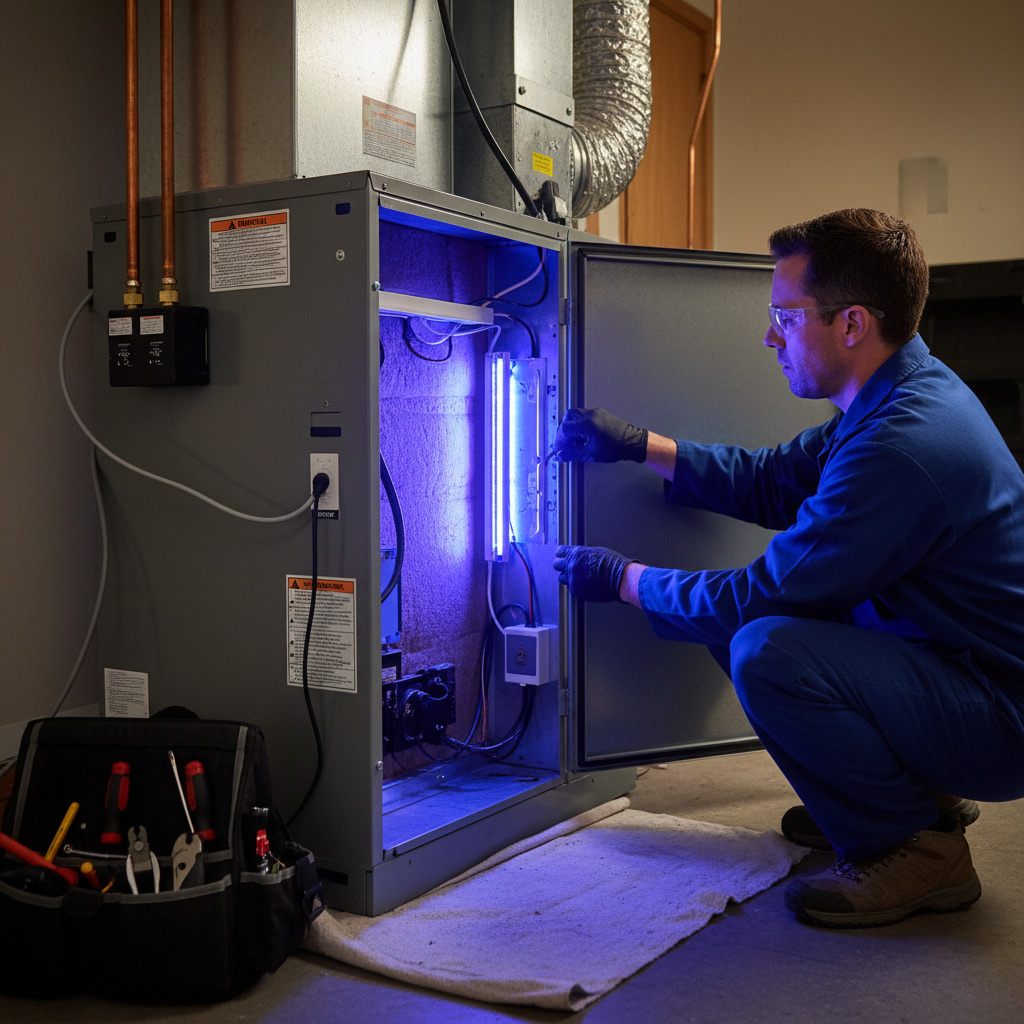
Case Study: How One Greensboro Homeowner Avoided a $2,400 Furnace Replacement
When Sarah Martinez's 15-year-old furnace started making ominous grinding sounds last January, three different HVAC companies told her the same thing: "Your heat exchanger's shot—you need a whole new system."
The quotes came in between $2,400 and $3,100. One contractor even showed her a crack in the metal using a mirror tool, telling her it was a carbon monoxide hazard that had to be replaced immediately. What none of them mentioned was that the grinding wasn't coming from the heat exchanger at all.
Sarah's neighbor recommended a small independent technician who'd been servicing commercial buildings for twenty years. He arrived with a simple stethoscope, not a sales contract. Within ten minutes, he'd traced the noise to a failing inducer motor bearing—a $180 part that was vibrating through the entire ductwork system.
The $180 fix that saved thousands
Here's what the big companies didn't want her to know:
- The "crack" they showed her was actually a normal weld seam that's present on all that brand's heat exchangers
- Her furnace's carbon monoxide levels tested at 8 parts per million (perfectly safe; the EPA limit is 200 ppm)
- The inducer motor replacement took 45 minutes and came with a 2-year warranty
The original quotes weren't technically wrong—the heat exchanger was approaching the end of its lifespan. But here's the reality check: it still had 3-5 good years left, and replacing just the inducer motor bought Sarah time to save up for a high-efficiency system she actually wanted.
Most homeowners don't realize that heat exchangers can develop small cracks and still function safely for years. The key is proper testing. A legitimate technician will:
- Use a combustion analyzer to measure actual CO levels—not just a visual inspection
- Check draft pressure to ensure exhaust gases are venting properly
- Explain the real safety margin before declaring equipment unsafe
Sarah's story isn't unique. HVAC industry data shows that over 60% of "failed" heat exchangers are misdiagnosed. Sometimes it's ignorance. Sometimes it's a sales tactic disguised as safety concern.
The takeaway? Always get a second opinion from a technician who doesn't sell equipment. Ask for specific test results, not just "it's unsafe." Your wallet will thank you later.
Questions to Ask Before You Sign Any HVAC Service Agreement
Before any tech touches your furnace, ask this brutal question: "What's your diagnostic fee if I decide not to do the repair?" Most companies bury a $150 "trip charge" in the fine print, even if they just spent 10 minutes looking at your unit. Get it in writing that the diagnostic fee gets waived if you proceed with the repair. Smart homeowners know this trick.
Demand itemized pricing before work begins. When they say "it'll be about $450," your response should be "Break it down for me." The real breakdown looks like this:
- Part cost: $35
- Labor (2 hours max): $240
- Emergency upcharge: $175
That "emergency upcharge" disappears if you call at 9 AM on Tuesday instead of 11 PM on Sunday. Ask about their standard hourly rate versus emergency rates. The difference can pay your utility bill for two months.
Here's the question that separates the pros from the predators: "Will you show me exactly what failed and let me see the old part?" A honest contractor will walk you through the failed component, show you the crack in the heat exchanger, or let you see the corroded flame sensor. If they refuse or say "it's too technical," they're hiding something. Real technicians love explaining their work to educated customers.
Always ask about warranty on both parts and labor. Many companies offer 90 days on labor but conveniently "forget" to mention it unless you ask. If they install a new blower motor with a 5-year manufacturer warranty, make sure that warranty covers labor too. Some shops charge you full price to replace a defective part that should've been covered.
Get confirmation about who's actually doing the work. Is it the guy who showed up in a nice truck, or his $15/hour apprentice while he runs to another call? Good contractors put their best techs on diagnostic calls, not the newest guy who's still learning. Ask to see the technician's NATE certification card. If they can't produce it, you might be paying premium prices for amateur hour work.
Final Words: Taking Control of Your Heating System
Listen, I don't want you walking away thinking every HVAC contractor in Greensboro is out to rip you off. Most aren't—but even the honest ones operate in a system that rewards quick fixes over real solutions.
The game changes when you start asking the right questions. When a tech starts pointing at expensive parts, ask to see the problem yourself. Request photos. Demand explanations in plain English, not technician jargon designed to confuse you.
Here's what smart Greensboro homeowners do differently:
- They schedule annual maintenance before November hits
- They keep a log of every service call, part replaced, and cost
- They get second opinions on any repair over $500
- They learn to identify basic issues themselves
Your furnace manual isn't just packing material—it's your playbook. Spend thirty minutes reading it this weekend. You'll discover your system has built-in diagnostic codes and troubleshooting steps that could save you a service call next time.
Knowledge beats helplessness every single time. The contractor who tells you, "I could show you how to clean that flame detector yourself," is the one you want working on your equipment. The one who refuses to explain anything? That's the guy who'll milk your emergency for everything he can.
Remember that $2,400 replacement scenario from earlier? It started with a dirty flame detector the homeowner could've cleaned in five minutes. Don't let your heating system become a mystery box that only expensive experts can touch.
When you take ownership of your equipment, something funny happens—your repair bills drop. Techs sense when they're dealing with someone who knows what questions to ask. They spend less time selling unnecessary parts and more time actually fixing problems.
Start small. Next time your furnace acts up, Google the error code before you call anyone. Check the flame detector yourself. Look at the Gas Furnace Repair page to see if your issue matches the common problems we've outlined there.
The difference between an informed homeowner and an easy mark is about twenty minutes of research and the willingness to ask inconvenient questions. Your wallet will thank you. Your furnace will thank you. And honestly? The good contractors will respect you more for it too.
People Also Ask
What is the most common reason for furnace repair calls?
The flame detector is actually the most overlooked failure point in gas furnaces, causing approximately 30% of unnecessary service calls. When this small sensor becomes dirty or corroded, it prevents the furnace from igniting properly. Many homeowners mistake this simple issue for a major system failure.How much does emergency furnace repair cost compared to regular maintenance?
Emergency furnace repairs typically cost 2-3 times more than scheduled maintenance visits, with Greensboro homeowners paying $200-400 for after-hours calls versus $80-150 for regular service. Preventive maintenance also helps identify small issues before they become expensive emergencies. The real cost includes not just repair fees but also potential system downtime during peak heating season.Should I replace my furnace or repair it when it breaks down?
Most contractors won't give you honest assessments because replacement jobs generate higher profits than repairs. As a general rule, if your furnace is under 12 years old and repair costs are less than 50% of replacement costs, repair is usually the better option. Consider replacement when your system is over 15 years old, requires frequent repairs, or has efficiency ratings below 80% AFUE.What are capacitor problems in furnaces and why are they expensive?
Capacitors are $15-20 parts that often become $150+ repairs due to markup and labor charges. These components help start your furnace's motor and fans, failing every 5-7 years in most systems. Many homeowners don't realize they're paying for a simple part replacement at premium emergency service rates.Can regular maintenance really prevent major furnace breakdowns?
Yes, routine maintenance can prevent up to 85% of emergency furnace failures by catching problems early. Simple tasks like cleaning flame sensors, checking capacitors, and inspecting heat exchangers cost far less than emergency repairs. Greensboro homeowners who schedule annual maintenance typically save $300-500 annually on heating system costs.
Greensboro HVAC provides reliable heating and cooling services to residents and businesses throughout Greensboro, NC and the surrounding Triad area. Their experienced technicians specialize in system installation, repair, and maintenance for all major HVAC brands. The company focuses on delivering quality service with clear communication and punctual appointments.
Need HVAC?
We deliver timely and effective solutions in Greensboro, NC and surrounding areas (27401, 27403, 27410) to help individuals and businesses achieve their goals quickly and efficiently, with a focus on driving results and enhancing productivity. Our services are designed to provide fast and reliable outcomes that meet the unique needs of our clients.
Request Detailed Quote