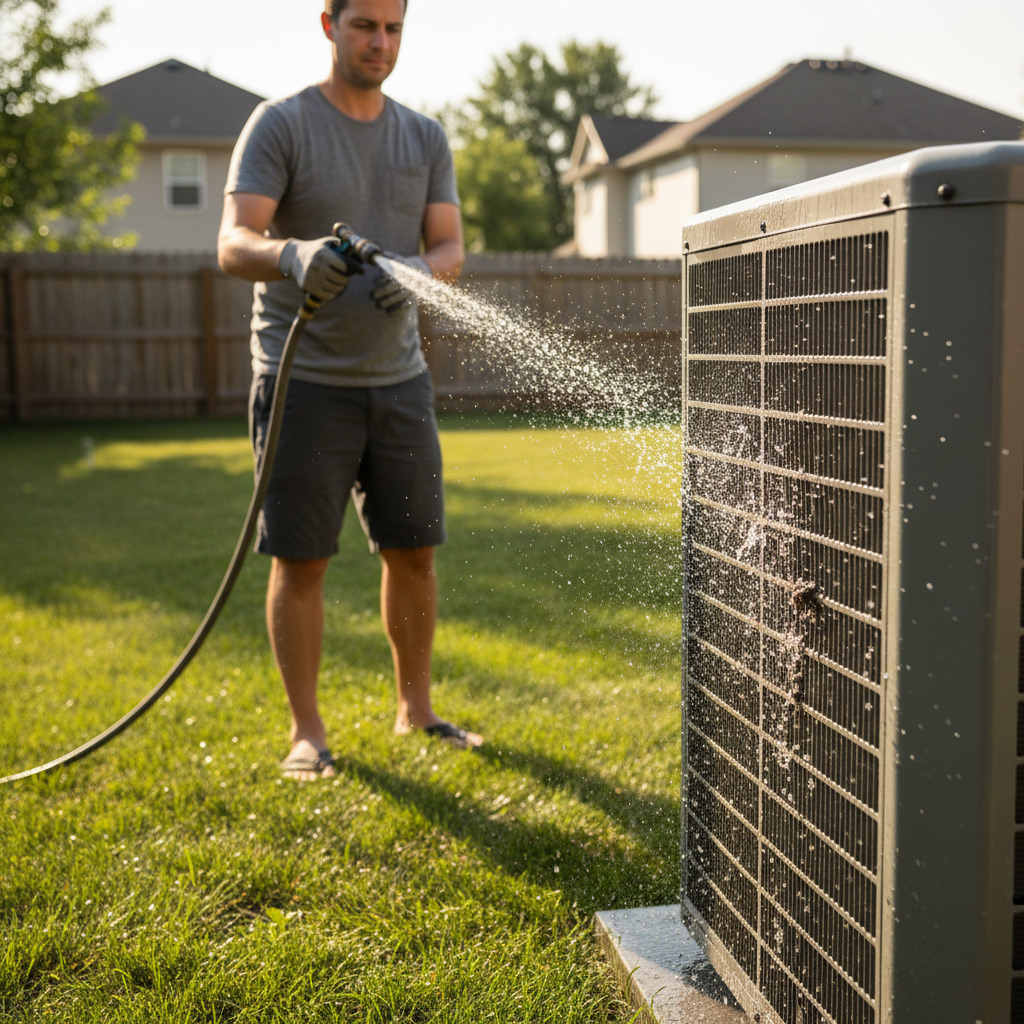
Picture this: It's August in Greensboro, and your AC just quit at 3 PM on the hottest day of the year. You're sweating buckets, your family's miserable, and every HVAC company you call is booked solid for weeks.
Sound familiar? You're not alone. Most homeowners in Greensboro don't think about their HVAC system until it's too late, turning what could've been simple maintenance into an expensive, urgent nightmare.
But here's the thing – finding the right HVAC partner in Greensboro doesn't have to be guesswork or panic. There are clear, proven signs that separate the pros who'll keep your home comfortable year-round from the amateurs who'll leave you stranded when you need them most.
The real pros understand Greensboro's unique climate challenges, from our humid summers that test every AC unit to those surprise cold snaps that push heating systems to their limits. They know your system better than you do, and they're the difference between constant repairs and peace of mind.
Ready to discover what actually makes an HVAC company Greensboro's best – and how to spot them before your next emergency? Let's cut through the noise and get straight to what matters.
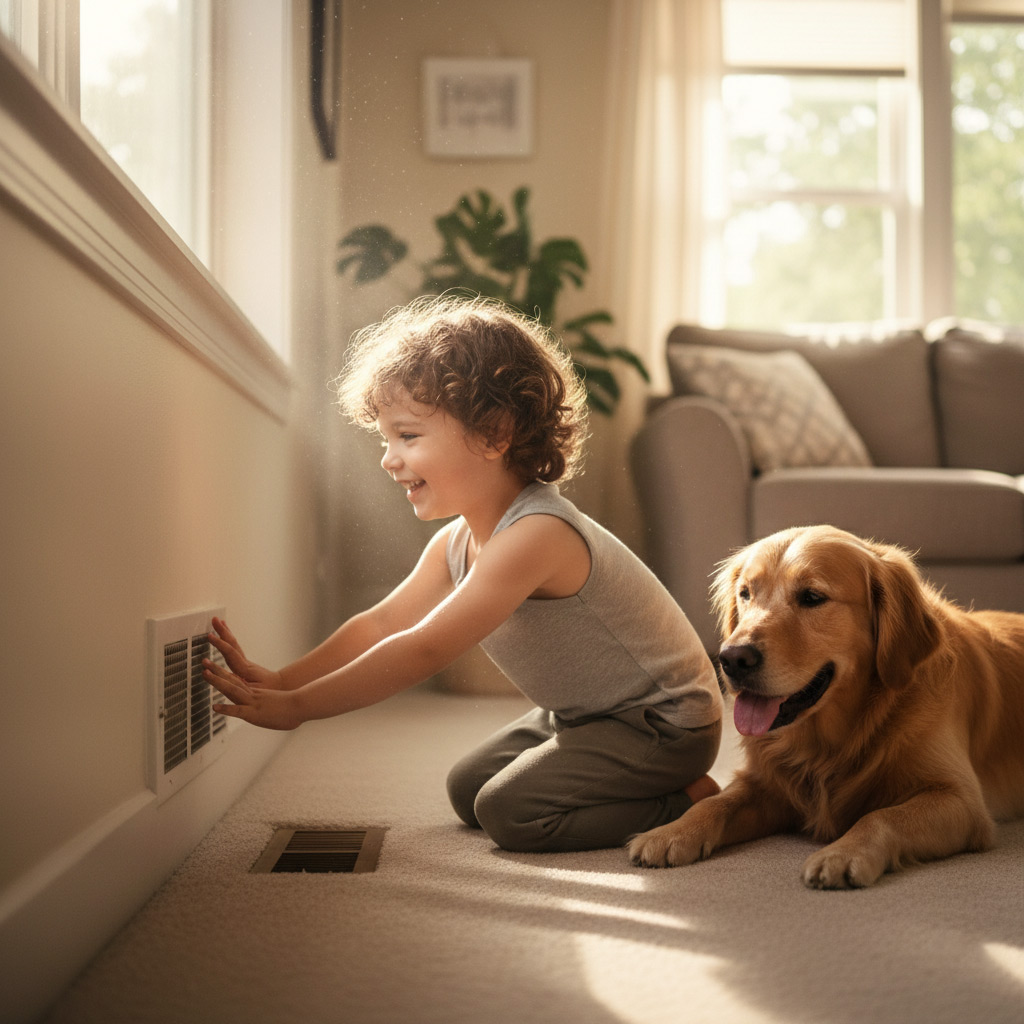
What Makes Greensboro's Climate So Tough on HVAC Systems?
Greensboro sits in that sweet spot where Mother Nature loves throwing curveballs. We get the kind of humidity that makes you feel like you're walking through warm soup from June through September, with temperatures consistently hitting the 90s and heat indices pushing well past 100°F. Your AC doesn't just cool the air here – it fights a daily battle against moisture that would swamp systems in drier climates.
But here's where it gets interesting. Just when your cooling system thinks it can catch a break, we get those bipolar weather swings that define North Carolina's Piedmont region. You'll have weeks of brutal summer heat followed by sudden cold fronts that drop temperatures 30 degrees overnight. This constant thermal stress forces HVAC units to switch between heating and cooling modes more frequently than systems in more predictable climates.
Then there's our pollen season. From March through May, Greensboro becomes a yellow-green haze of pine pollen, oak pollen, and every other allergen imaginable. This buildup clogs condenser coils, blocks air filters in days instead of months, and forces your HVAC system to work 40% harder just to maintain the same comfort level.
Consider what this means for your equipment:
The Four Horsemen of HVAC Destruction
- Extreme humidity forcing compressors to run constantly
- Temperature swings causing repeated expansion and contraction
- Pollen and particulates clogging systems faster than anywhere else
- Summer storms bringing power surges that fry sensitive electronics
Most homeowners don't realize that Greensboro's climate effectively cuts their HVAC system's lifespan by 2-3 years compared to regions with milder weather patterns. Your unit isn't just cooling or heating – it's constantly compensating for environmental factors that manufacturer specifications never anticipated.
Why Seasonal HVAC Maintenance Is Your Best Defense Against Breakdowns
Think of your HVAC system like your car's engine. You wouldn't drive 50,000 miles without an oil change and expect smooth performance, right? Your heating and cooling unit works just as hard—especially during Greensboro's extreme seasons. When summer humidity hits 90% and temperatures climb past 95°F, your AC doesn't just run; it fights for every degree of comfort.
Savvy homeowners know that scheduling maintenance before the season hits is like buying cheap insurance. The HVAC tech catches small problems before they turn into expensive disasters. A clogged condenser coil from pollen buildup can force your system to work 30% harder, driving up energy bills while shortening your unit's life. Annual inspections catch these issues when they're still $150 fixes instead of $2,000 emergency replacements.
What actually happens during seasonal maintenance?
A professional maintenance visit isn't just changing filters (though that's important too). Your technician will:
- Clean condenser and evaporator coils
- Check refrigerant levels and identify leaks
- Inspect electrical connections and capacitors
- Calibrate your thermostat for accuracy
- Lubricate moving parts to reduce friction
- Test safety controls and switches
Think about last winter's surprise ice storm that knocked out power for three days. When temperatures dropped to 15°F, homes with neglected heating systems faced frozen pipes and busted heat exchangers. Those who'd had fall maintenance? Their systems fired right up when power returned, saving thousands in property damage.
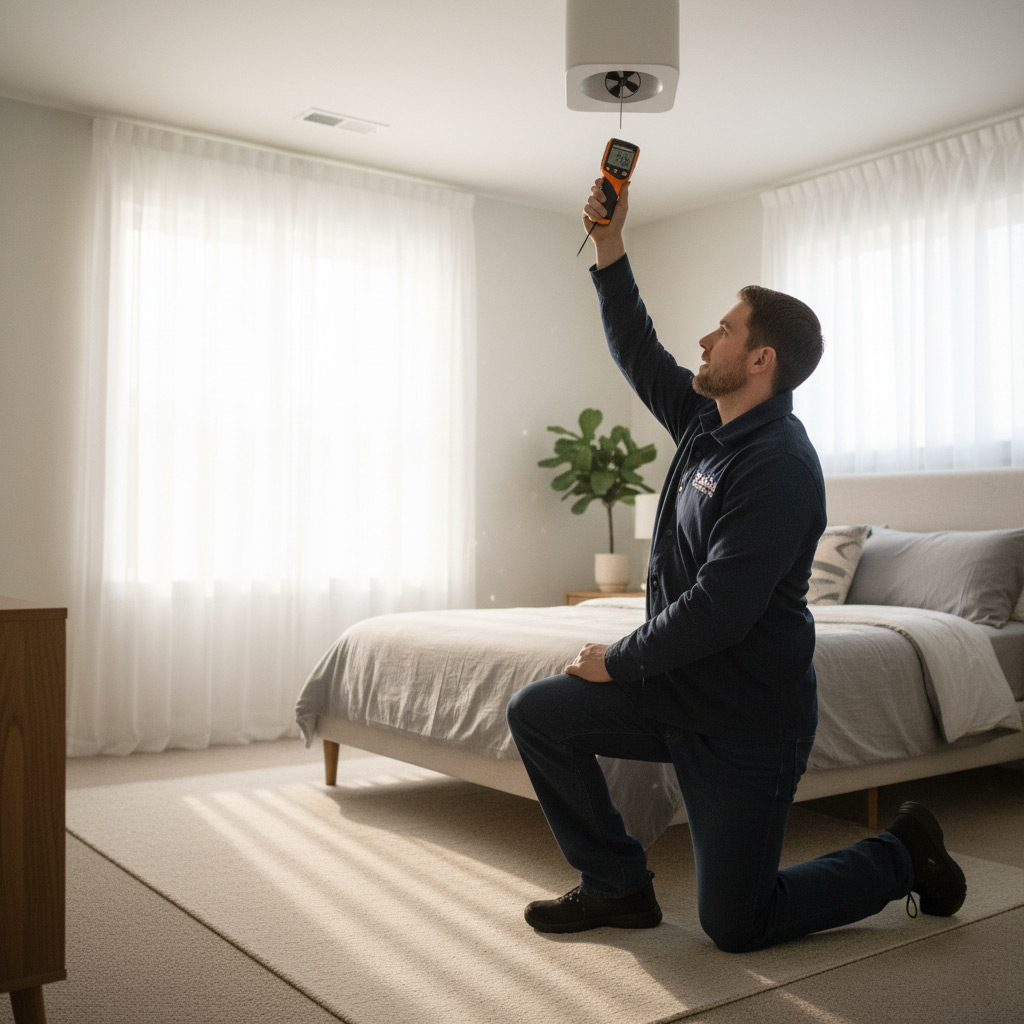
Warning Signs Your HVAC System Is Crying for Help
Your HVAC system doesn't just die overnight. It sends distress signals weeks—sometimes months—before the final breakdown. When your energy bills spike 20% or more without explanation, that's your first red flag. Something's working harder than it should.
Strange noises aren't just annoying—they're expensive. A rhythmic banging usually means loose or broken parts rattling around inside. Squealing often points to worn fan belts or motor bearings screaming for attention. Grinding sounds? That's metal on metal, and it never ends well.
Pay attention to what your nose tells you. Musty odors often mean mold growing in damp ductwork. Burning smells could signal electrical problems or overheating components. Rotten egg scents demand immediate action—that's potentially dangerous gas leaks.
Watch for these performance killers:
Comfort Clues You Can't Ignore
- Uneven temperatures - One room freezing while another sweats
- Weak airflow from vents - Barely enough to move a tissue
- Frequent cycling - System turning on and off every few minutes
- Excessive humidity inside - Windows fogging up or sticky feeling
If your system runs constantly but never reaches the thermostat setting, you've got serious trouble brewing. That's not just inefficient—it's working itself into an early grave while wasting your money every single minute.
The bottom line? Your HVAC system costs thousands to replace. Catching these warning signs early transforms a potential $8,000 disaster into a simple $150 maintenance call. Smart homeowners read the signs. Smarter ones act before the emergency happens.
Red Flags: How to Spot an Unreliable HVAC Contractor
When your system breaks down on a sweltering Greensboro afternoon, desperation makes everyone look like an expert. But here's the brutal truth - not all HVAC contractors are created equal, and hiring the wrong one can cost you thousands. The real pros don't just fix problems; they prevent them from happening in the first place.
Spotting a questionable contractor starts the moment they answer your call. If they can't explain their diagnostic process or immediately jump to replacement quotes without proper testing, that's your first warning sign. The best technicians arrive with the right tools and actually measure airflow, check refrigerant levels, and inspect electrical components before making recommendations.
Warning Signs That Scream 'Run Away'
- No proof of licensing or insurance - North Carolina requires HVAC contractors to hold proper credentials
- Vague pricing that magically increases once they're in your home
- Pushing expensive replacements when repairs would solve the issue
- Can't provide local references or recent customer testimonials
- Shows up late without calling, or worse, doesn't show up at all
Another massive red flag? Contractors who don't understand Greensboro's specific climate challenges. If they can't discuss how our clay soil affects ground-source heat pumps, or why high humidity demands specific SEER ratings, they're flying blind with your money. The summer heat here will expose any half-baked installation job within weeks.
Watch how they treat your home, too. Professionals put down protective coverings before working, clean up thoroughly afterward, and explain every step of what they're doing. If they're tracking dirt everywhere, leaving tools scattered around, or talking down to you when you ask questions, that's not the person you want handling your family's comfort.
The Real Deal vs. The Pretenders
Legitimate HVAC contractors in Greensboro will give you written, detailed estimates that break down costs clearly. They'll show you warranties on both parts and labor, walk you through maintenance plans, and schedule follow-ups without you having to chase them down. Most importantly, they educate you on how to keep your system running between visits.
The difference becomes obvious in the results. A quality contractor's work lasts for years and keeps your energy bills reasonable. The fly-by-night operations disappear when your warranty claim comes up, leaving you to pay twice for the same job. Don't let panic cloud your judgment when that next breakdown hits.
Green Energy HVAC Solutions: Saving Money and the Environment
Let's get straight to the point: upgrading to a high-efficiency HVAC system isn't just tree-hugging fluff. Your current system likely wastes 30-40% of the energy it consumes. That's money literally flying out your window.
Modern heat pumps are game-changers for Greensboro's climate. They handle both brutal summer heat and those unexpected cold snaps with remarkable efficiency. Plus, pairing them with smart thermostats means your system learns your family's schedule and adjusts automatically.
Tax Credits That Actually Matter
The Inflation Reduction Act offers serious cash back for eco-friendly upgrades:
- Up to $600 for new energy-efficient HVAC installations
- 30% tax credit for geothermal heat pump systems
- Rebates from Duke Energy for qualifying equipment
One Greensboro client saved $2,400 in the first year alone combining these incentives. Their electricity bill dropped 35% from the previous summer.
Here's what most people miss: The latest systems don't just use less power. They're designed to work with Greensboro's specific humidity levels and temperature ranges. Traditional systems constantly turn on and off, wasting energy every cycle. Variable-speed systems run at the exact capacity needed.
Consider zoning systems if your home has multiple floors or sun-facing rooms that feel like saunas. Zone control lets you cool only occupied areas, cutting energy use another 25-30%. It's like having a separate thermostat for every room without the full cost.
Don't fall for the "if it ain't broke, don't fix it" trap with HVAC equipment. Older systems use R-22 refrigerant, which the EPA phased out completely in 2020. Continuing to repair these units means relying on black-market refrigerants or constantly retrofitting.
Schedule an energy audit before making decisions. Many local contractors offer free assessments that show exactly where your system leaks money. Smart homeowners compare these findings against their actual utility bills. The numbers don't lie.
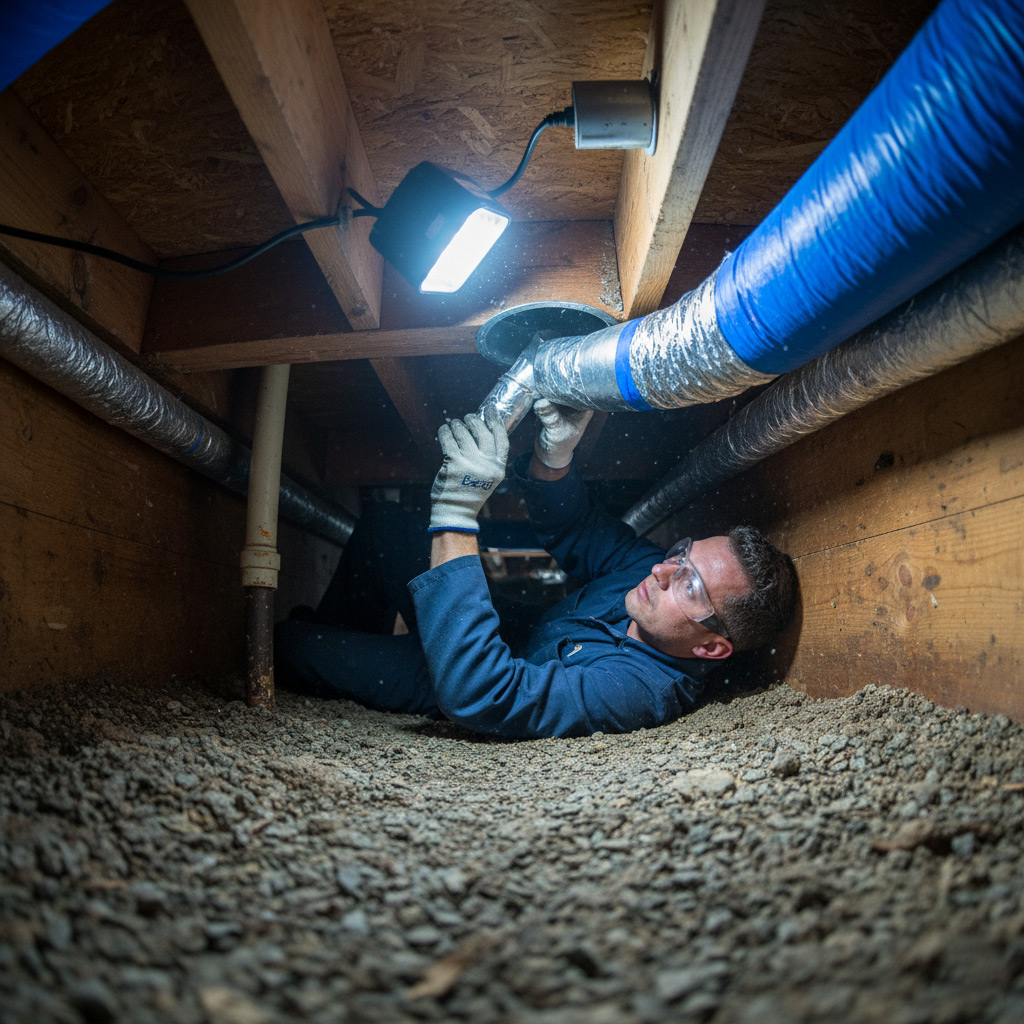
Duct sealing often delivers the fastest return on investment for Greensboro homes. Most ductwork loses 20-30% of conditioned air through leaks and poor insulation. Professional sealing takes one day and typically pays for itself within two seasons.
Case Study: How One Greensboro Family Avoided Costly Repairs
Meet the Hendersons—a typical Greensboro family of four who learned the hard way that ignoring small HVAC problems creates big wallet-emptying disasters.
Last March, Sarah Henderson noticed her heat pump making a faint clicking noise every time it cycled on. Nothing major, she thought. Just some random noise that would probably disappear on its own.
Fast forward three months. That innocent click had morphed into a grinding screech loud enough to wake the neighbors. The system was blowing warm air on a 95-degree day, and panic was setting in.
Here's where most homeowners make their first mistake—calling the first contractor who answers the phone during an emergency.
Instead, Sarah remembered a checklist she'd read about vetting HVAC companies:
- 24/7 emergency service with actual human answering
- Licensed and insured (always verify)
- No surprise fees or bait-and-switch pricing
- Local references from actual Greensboro residents
She called three companies that met those criteria. The first two quoted $8,500 for a complete system replacement—without even properly diagnosing the problem.
The third technician, Mike from All Seasons HVAC, spent forty-five minutes doing actual detective work. He found a worn capacitor, loose wiring, and refrigerant levels that were off by 10%.
The real kicker? The total repair cost was $387.
Mike explained that the original clicking noise was the capacitor struggling to start the compressor—a twenty-dollar part that, when ignored, was slowly destroying the entire system. He also pointed out that the family's filter hadn't been changed in six months, which was forcing the unit to work 30% harder than necessary.
That's the difference between a technician and a salesperson.
But here's what happened next that really demonstrates the value of choosing the right Greensboro HVAC partner. Mike didn't just fix the immediate problem and leave. He created a simple maintenance plan for the Hendersons that included:
Their Custom Maintenance Plan
- Bi-annual tune-ups (spring and fall)
- Filter replacement reminders every 60 days
- Priority scheduling for any future issues
- 10% discount on all repairs for being a maintenance plan member
Eighteen months later, the Hendersons' system is running more efficiently than when they first bought it. Their energy bills dropped 18% the first year. More importantly, they haven't had a single unscheduled repair since.
Compare that to their neighbors down the street, who've replaced two entire HVAC systems in the same timeframe because they kept hiring the cheapest contractors who did patchwork fixes.
Cheap repairs are the most expensive kind.
Sarah's quick thinking and methodical approach to finding the right contractor saved her family over $8,000 in unnecessary replacement costs. More than the money, she bought herself peace of mind.
When that next heat wave hits Greensboro and everyone else is scrambling for appointments, she knows exactly who to call—and they'll answer on the first ring because she's a priority customer.
That's what real HVAC service looks like in Greensboro. Not panic, not desperation, just a relationship with a company that actually cares about keeping your family comfortable.
Making the Smart Choice: Your Next Steps
You've read the signs. You know Greensboro's climate doesn't play around, and you understand that waiting for a breakdown is like playing Russian roulette with your comfort. So what's the move?
First, stop treating your HVAC system like a stranger. Get familiar with its quirks, its age, and its maintenance history. If you can't remember the last time a pro looked at it, that's your red flag waving right there.
Schedule a seasonal check-up before the extreme weather hits. Spring and fall are your sweet spots - technicians have availability, and you'll catch problems when they're small and cheap to fix. Don't wait until July when everyone else is desperate.
Vet your HVAC contractor like you're hiring a brain surgeon. Check their credentials, read reviews from actual Greensboro homeowners, and ask tough questions:
- How long have you served Greensboro specifically?
- Can you show me examples of similar homes you've maintained?
- What's included in your HVAC Maintenance plan?
- Do you offer emergency service, and what's the typical response time?
Look for companies that educate you, not just sell to you. The best technicians will explain what they're doing, why it matters, and show you how to spot early warning signs yourself. They're partners in your home's comfort, not just repair people.
Consider upgrading to energy-efficient systems if yours is over 10 years old. Greensboro's temperature swings mean modern units can slash your utility bills by 20-40%, and many come with rebates that offset the initial cost. Sometimes spending money saves money.
Finally, build a relationship with one trusted company. Having a team that knows your system's history, your home's layout, and your family's comfort needs is priceless when emergencies strike. Your HVAC system works hard for you - give it the professional care it deserves.
People Also Ask
What are the most common HVAC problems in Greensboro?
Greensboro's humid summers and variable winters cause HVAC systems to work overtime, leading to frequent compressor failures, refrigerant leaks, and clogged air filters. The high pollen count during spring and fall seasons also contributes to dirty coils and reduced system efficiency. Regular maintenance helps prevent these climate-specific issues from becoming costly repairs.How often should I service my HVAC system in Greensboro?
HVAC experts recommend biannual maintenance - once in spring before cooling season and once in fall before heating season. This schedule ensures your system handles Greensboro's hot summers and cold winters efficiently while catching potential problems early. Skipping maintenance can void warranties and lead to emergency breakdowns during extreme weather.What qualifications should I look for in a Greensboro HVAC contractor?
Always verify North Carolina HVAC licensing, proper insurance coverage, and NATE certification for technicians. Look for contractors with local experience who understand Greensboro's climate challenges and offer emergency services. Avoid companies that provide estimates over the phone without inspecting your system first.Can HVAC maintenance really save me money in Greensboro?
Proper maintenance can reduce energy bills by 15-20% annually and prevent costly emergency repairs that often exceed $1,000. Well-maintained systems last 5-7 years longer than neglected ones, delaying expensive replacements. Many Greensboro utility companies also offer rebates for energy-efficient HVAC upgrades and maintenance programs.What are the benefits of upgrading to energy-efficient HVAC systems in Greensboro?
Modern ENERGY STAR rated systems can cut cooling costs by 30-40% during Greensboro's hot summers while providing better humidity control. These systems qualify for federal tax credits and local utility rebates, reducing upfront costs. Energy-efficient HVAC also increases home value and reduces your carbon footprint year-round.
Greensboro HVAC provides heating and cooling services to residents and businesses throughout Greensboro, North Carolina. Their certified technicians bring years of hands-on experience with installation, repair, and maintenance of HVAC systems. They focus on delivering reliable service and clear communication to customers across the Greensboro area.
Need HVAC?
We deliver timely and effective solutions in Greensboro, NC and surrounding areas (27401, 27403, 27410) to help individuals and businesses achieve their goals quickly and efficiently, with a focus on driving results and enhancing productivity. Our services are designed to provide fast and reliable outcomes that meet the unique needs of our clients.
Request Detailed Quote